 Bulk Bullion


Prices are fetched automatically and may not reflect current merchant prices. Currency conversions and tax treatment are approximate. Rankings are based solely on price. We are not a dealer and accept no responsibility for transactions with listed merchants. Past performance is not indicative of future results. This site does not provide investment advice. Full disclaimer
About the 500g Intrinsic Tender Silver Bar
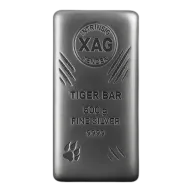
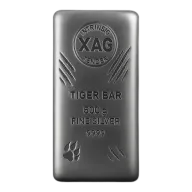
The 500g Intrinsic Tender Silver Bar
The 500g Intrinsic Tender Silver Bar contains half a kilogram, 16.075 troy ounces, of .999 fine silver. The 500g format occupies a deliberate middle ground on the silver bar scale: a meaningful block of metal at a total outlay around half that of a kilo bar, with premiums typically in the 3-6% range over spot. That is better per-gram value than 1 oz or 10 oz bars deliver, though slightly less competitive than the kilo bar or 100 oz formats that sit above it.
The honest framing is that 500g is the right size for a specific buyer. In silver, the kilo bar is the more standard metric weight and usually carries lower premiums per gram, so the 500g bar earns its place mainly when the total cost of a kilo is more than you want to commit in a single unit, or when you want finer-grained exit options: two 500g bars can be sold separately where one kilo bar cannot. Metric bar formats in general are most at home in European markets; in the US and Canada, troy-ounce sizes like the 10 oz bar dominate retail, and 500g bars are a less common sight.
Liquidity at this weight is moderate rather than maximal. A 500g silver bar sells readily to any major dealer, but the size sometimes falls between the standard formats dealers handle in volume. As with all silver bars, dry storage matters; silver tarnishes when exposed to sulphur compounds, and at roughly half a kilogram per bar, accumulating serious value in silver takes real space compared with gold.
500g Silver Bar Specifications
| Specification | Value |
|---|---|
| Weight | 500 grams (16.075 troy oz) |
| Purity | .999 fine silver |
| Manufacturer | Intrinsic Tender |
| Form | Bar |
| Face value | None (not legal tender) |
The .999 fineness is the standard purity for silver bars, and 500g bars across the industry are typically serialised, assayed, and sealed with certificates, though practices vary by producer. Silver bars come in two production styles: cast bars, poured into moulds with a rougher finish and usually 1-2% cheaper, and minted bars, cut and stamped from rolled sheet with a polished face. Cast production is the more common approach at larger silver weights.
Authentication at half a kilogram is straightforward. Silver carries no tungsten-core risk, since tungsten is nearly twice as dense as silver (19.25 vs 10.49 g/cm3) and a substituted core would make the bar obviously overweight. The realistic counterfeits use copper, lead, or zinc cores under silver plating, and those fail a precise weight and dimension check, a magnet slide test (silver is diamagnetic), or a specific gravity measurement. Buying from reputable dealers and keeping any original sealed packaging intact covers the practical risk and helps at resale.
500g Silver Bar Tax by Country
At .999 fine, the bar meets the investment-grade silver thresholds in the exempt jurisdictions. As a bar it has no legal tender status, so no coin-specific exemptions apply anywhere.
- United States: most states exempt bullion bars from sales tax; around ten tax them, and several use purchase thresholds (Florida $500, New York and Massachusetts $1,000, California $2,000). Silver at 99.9%+ purity from accredited refiners is IRA-eligible when held at an approved depository. Long-term gains are taxed at the collectibles rate of up to 28%.
- United Kingdom: 20% VAT on new silver bars unless purchased through a bonded storage scheme, plus CGT liability on disposal above the £3,000 annual allowance. The combination makes bars the least tax-efficient silver format for UK buyers.
- European Union: full national VAT rates on new silver (17-27% by country). Margin-scheme treatment can reduce the effective rate on pre-owned bars in some markets, notably Germany.
- Canada: 0% GST/HST on silver refined to 99.9%+ purity in bar form. Capital gains taxed at a 50% inclusion rate.
- Australia: GST-free at 99.9%+ purity. New Zealand: GST-exempt at 99.9%+ purity, with no formal capital gains tax.
- Singapore: GST-exempt as Investment Precious Metals at 99.9%+ purity, no capital gains tax. Hong Kong: no sales tax, no duties, no CGT.
500g vs Kilo, 10 oz, and 100 oz Silver
The decision most 500g buyers are actually making is 500g versus the kilo. The kilo is the more standard metric silver weight, more widely produced and typically cheaper per gram, with premiums in the same 3-6% band but at the favourable end. The 500g bar's advantage is divisibility: holding two half-kilo bars instead of one kilo lets you liquidate half a position, and the lower unit cost is easier to absorb when accumulating gradually. If neither of those matters, the kilo wins on price.
Below it, the 10 oz bar (4-8% premiums) is the liquidity champion of the silver bar market, the dominant retail weight in North America that every dealer and coin shop buys readily. A 500g bar holds about 1.6 times the silver of a 10 oz bar at a somewhat better premium, but trades in a less standard size. Above it, the 100 oz bar (2-5% premiums) is the traditional North American bulk format, over six times the silver of a 500g bar in a single 3.1 kg unit; it suits committed stackers who will never need a partial exit.
Brand matters across all these sizes. In the 500g class, European refiners Umicore, Heraeus, and PAMP are the established names, and bars from LBMA-accredited refiners are universally accepted at resale, while bars from lesser-known producers remain saleable but typically recover melt value only, without a brand premium. Sealed original packaging improves the resale position whatever the producer.
500g Intrinsic Tender Silver Bar: frequently asked questions
-
The cheapest 500g Intrinsic Tender silver bar we track is A$1,660.80. Because the bar is .999 fine silver, its intrinsic value moves directly with the silver spot price, A$93.63 per troy ounce. Compare current listings in the table above to find the best deal.
-
A 500g silver bar contains 500g of silver. One troy ounce is 31.1035 grams, so 500 grams converts to approximately 16.08 troy ounces. This figure is useful when comparing against spot prices, which are always quoted per troy ounce.
-
Intrinsic Tender is a bullion brand producing silver, gold, and platinum bars. The name refers to the concept of metal as money in its own right, valued by its physical content. No specific country of manufacture is confirmed in available sources; check the dealer listing or product packaging for assay and origin details.
-
Exact dimensions vary by producer and are not standardised, so check the dealer listing or product packaging for specifics. A 500g silver bar is a substantial hand-held piece, noticeably larger and heavier than a 100g bar, and is typically supplied in a protective sleeve or assay card.