167 products · 1,766 deals Prices & premiums exclude tax to compare across countries
Filters
| Product | /oz | Premium | Price (ex. tax) | |
|---|---|---|---|---|

2 deals
|
$67.65 | +0.03% | $84.56 | Compare |
| $67.90 | +0.40% | $101.85 | View Deal | |

9 deals
|
$68.36 | +1.08% | $102.54 | Compare |
| $68.56 | +1.38% | $342.82 | Compare | |

22 deals
|
$67.91 |
+1.87%
+22% inc.VAT
|
$67.91
£61 inc.VAT
|
Compare |

110 deals
|
$67.91 |
+1.87%
+22% inc.VAT
|
$67.91
£61 inc.VAT
|
Compare |

3 deals
|
$69.26 | +2.41% | $138.52 | Compare |

28 deals
|
$69.34 | +2.53% | $346.71 | Compare |

2 deals
|
$69.67 | +3.01% | $104.50 | Compare |

3 deals
|
$69.77 | +3.17% | $139.55 | Compare |

10 deals
|
$68.88 |
+3.33%
+24% inc.VAT
|
$137.77
£124 inc.VAT
|
Compare |

2 deals
|
$68.88 |
+3.33%
+24% inc.VAT
|
$137.77
£124 inc.VAT
|
Compare |
| $69.88 | +3.33% | $139.76 | View Deal | |

2 deals
|
$69.95 | +3.43% | $104.92 | Compare |

2 deals
|
$69.95 | +3.43% | $104.92 | Compare |

2 deals
|
$69.95 | +3.43% | $104.92 | Compare |

2 deals
|
$69.95 | +3.43% | $104.92 | Compare |
| $70.36 | +4.04% | $87.95 | View Deal | |
| $70.56 | +4.34% | $35.28 | View Deal | |

2 deals
|
$70.75 | +4.62% | $70.75 | Compare |
| $70.88 | +4.81% | $35.44 | View Deal | |
| $70.88 | +4.81% | $70.88 | View Deal | |

39 deals
|
$70.22 |
+5.33%
+26% inc.VAT
|
$35.11
£32 inc.VAT
|
Compare |

4 deals
|
$71.77 | +6.12% | $71.77 | Compare |
| $71.88 | +6.29% | $89.85 | View Deal | |

13 deals
|
$71.88 | +6.29% | $71.88 | Compare |

8 deals
|
$71.88 | +6.29% | $71.88 | Compare |

148 deals
|
$70.88 |
+6.33%
+28% inc.VAT
|
$70.88
£64 inc.VAT
|
Compare |

8 deals
|
$71.03 |
+6.55%
+28% inc.VAT
|
$71.03
£64 inc.VAT
|
Compare |

3 deals
|
$72.50 | +7.20% | $145.00 | Compare |



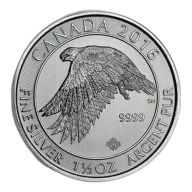

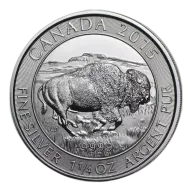

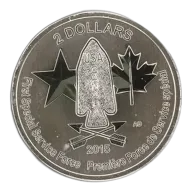
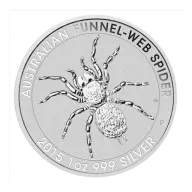



Prices are fetched automatically and may not reflect current merchant prices. Currency conversions and tax treatment are approximate. Rankings are based solely on price. We are not a dealer and accept no responsibility for transactions with listed merchants. Past performance is not indicative of future results. This site does not provide investment advice. Full disclaimer
About Silver Coins
Silver Coins as Bullion Investment
Silver coins are struck by sovereign mints, carry legal tender status, and come with a face value denomination that is purely symbolic. A 1oz Silver Britannia has a face value of £2; a 1oz American Silver Eagle is denominated at $1. The actual value, of course, is many times higher, determined by the silver content and the premium the market assigns to each coin.
The 1oz size dominates silver coin production. Larger denominations exist at 2oz, 5oz, 10oz, and 1kg, but the 1oz coin is the standard unit of trade and the format most dealers quote when discussing silver premiums. Fractional silver coins are rare, unlike gold where 1/10oz and 1/4oz pieces are common. The economics are straightforward: silver's lower per-ounce price makes the fixed costs of minting fractional pieces disproportionately expensive.
Standard purity across modern silver bullion coins is .999 fine. The Silver Maple Leaf stands out at .9999 fine, the highest purity among sovereign silver coins. The Silver Britannia used the historic Britannia silver standard of .958 from 1997 to 2012 before upgrading to .999. The Silver Philharmonic holds at .999.
Silver coins occupy a particular niche in the bullion market. Their lower unit price, roughly $30-40 per ounce compared to $3,000+ for gold, makes them the most accessible entry point for new bullion buyers. They combine government-backed weight and purity guarantees with designs and security features that private mint products cannot match. The trade-off is higher premiums per ounce compared to silver bars or silver rounds, driven by the same manufacturing and distribution costs spread over a much lower metal value.
Tax Treatment of Silver Coins by Country
Silver coins receive markedly different tax treatment from gold coins in most jurisdictions. Gold benefits from investment gold exemptions that silver does not share, making the tax landscape a critical factor in the buying decision.
United Kingdom
Silver coins carry 20% VAT on purchase, a stark contrast to gold's full VAT exemption. This 20% levy on new silver is the single largest cost disadvantage for UK silver investors. Margin scheme taxation on pre-owned coins reduces the effective VAT to the dealer's profit margin only, typically 3-7%, which is why secondary market silver carries a meaningful price advantage over new stock.
On the sale side, UK legal tender silver coins such as the Silver Britannia and Silver Lunar are CGT-exempt. This creates a distinctive calculation: the upfront VAT cost is partially offset by tax-free profits on disposal. For large, long-term gains, the CGT exemption can outweigh the initial VAT. For short holds or modest gains, the 20% entry cost dominates. Some dealers offer VAT-free silver storage in overseas vaults, typically in Zurich or Singapore, but the silver must remain stored abroad; importing into the UK triggers the 20% VAT.
United States
There is no federal sales tax on silver. At the state level, approximately 35 states fully exempt bullion from sales tax, around 5 states offer partial exemptions with transaction thresholds (California above $2,000, Florida above $500, New York above $1,000), and roughly 10 states apply full sales tax. On disposal, silver is classified as a collectible and taxed at a maximum 28% long-term federal rate, higher than the 15-20% rate on equities. Silver meeting .999+ purity qualifies for inclusion in a self-directed IRA, with gains tax-deferred or tax-free in a Roth IRA. American Silver Eagles qualify for IRAs regardless of purity through a specific statutory exemption.
Canada
Silver coins at 99.9% purity or higher are exempt from GST/HST under the Excise Tax Act. The Silver Maple Leaf at .9999 exceeds this threshold comfortably. Capital gains are taxed at a 50% inclusion rate, with the included portion taxed at the individual's marginal rate. There is no special retirement account eligibility for physical silver bullion; RRSPs and TFSAs accept precious metals ETFs but not physical coins.
Australia
Investment-grade silver coins at 99.9% purity or higher are GST-free. Note the higher threshold compared to gold's 99.5%. Standard bullion coins from major mints meet this requirement easily. Capital gains are subject to a 50% discount for individuals holding longer than 12 months.
European Union
Silver coins attract standard VAT rates across EU member states, ranging from 17% in Luxembourg to 27% in Hungary. Germany offers margin scheme taxation on imported silver coins, reducing effective VAT to the dealer's margin. The Netherlands applies a similar margin scheme for pre-owned coins. Estonia has applied 0% VAT on legal tender silver coins.
Other Jurisdictions
New Zealand exempts silver coins at 99.9%+ purity from GST and has no capital gains tax. Singapore exempts qualifying silver through the Investment Precious Metals scheme at 99.9%+ purity with no capital gains tax. Hong Kong charges no tax of any kind on silver bullion. South Africa applies 15% VAT to all silver bullion, including Silver Krugerrands, despite their legal tender status.
Silver Coin Premiums and Cost Structure
Silver coin premiums run substantially higher as a percentage of spot price than gold coin premiums. The reason is mechanical, not speculative: the costs of mining, refining, minting, packaging, shipping, and dealer margins are roughly similar in absolute terms per coin, regardless of whether the metal inside is worth $30 or $3,000. A $5 handling cost on a $3,300 gold coin is 0.15%. The same $5 on a $33 silver coin is 15%.
Government silver coins typically carry premiums of 15-25% over spot for 1oz pieces in normal market conditions. The American Silver Eagle consistently commands the highest premiums among standard sovereign coins, often 5-10 percentage points above other sovereign offerings, driven by strong US collector demand and the US Mint's pricing structure to authorised purchasers. The Canadian Maple Leaf and Austrian Philharmonic tend to offer among the lowest government coin premiums.
Secondary market coins (random-year, previously owned) trade at meaningful discounts to current-year issues, often narrowing the premium by 3-5 percentage points. In the UK, where the margin scheme applies to pre-owned silver, the tax saving on top of the lower premium makes secondary market coins particularly attractive.
During supply disruptions, silver coin premiums can detach sharply from historical norms. In March 2020 and early 2021, Eagle premiums exceeded 50% above spot. These episodes are not typical but they are not unprecedented either, and they illustrate how physical silver premiums can diverge from the paper spot price during periods of high retail demand.
In jurisdictions with VAT on silver, the effective cost including tax can reach 35-45% above spot. This makes the entry point especially important for UK and EU buyers; recovering that combined premium-plus-tax cost requires a substantial price appreciation just to break even. Compared to silver rounds at 5-10% premiums or silver bars at 3-8%, sovereign coins carry a premium penalty that must be justified by their liquidity advantage, brand recognition, and, in some jurisdictions, tax benefits on disposal.
Major Silver Bullion Coins
The sovereign mint silver coin market is concentrated among a small number of dominant products, each with distinctive characteristics that affect their suitability for different buyers.
The American Silver Eagle, struck by the US Mint since 1986, is the world's best-selling silver bullion coin by volume. It carries the Walking Liberty obverse design by Adolph A. Weinman, one of the most recognisable images in American numismatics, with a new reverse eagle portrait by Emily Damstra introduced in 2021 (Type II). Purity is .999 fine with a $1 face value. The Eagle commands premium pricing above all other sovereign silver coins, reflecting intense domestic demand, IRA eligibility, and the US Mint's authorised purchaser pricing floor. For US buyers, the Eagle's resale premium partially offsets its higher purchase cost; for international buyers, the premium is harder to justify on pure economics.
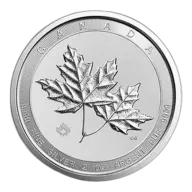
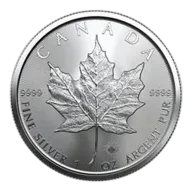
The Canadian Silver Maple Leaf, produced by the Royal Canadian Mint since 1988, is struck at .9999 fine, the highest purity of any sovereign silver coin. Since 2015, each coin carries a micro-engraved laser security mark tied to the RCM's Bullion DNA authentication database. The MintShield surface coating, introduced in 2018, addresses the historical problem of milk spots (white calcium deposits that plagued earlier production years). Premiums typically sit below Eagles and above generic products.
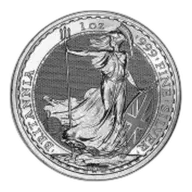
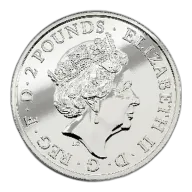
The Silver Britannia, from The Royal Mint since 1997, is the key coin for UK-based buyers. It carries a £2 face value and UK legal tender status, conferring CGT exemption on disposal profits. Purity upgraded from the historic .958 Britannia silver to .999 in 2013. From 2021, the coin carries four security features including a latent image, surface animation, micro-text, and tincture lines, making it one of the most secure bullion coins in production.
The Austrian Silver Philharmonic, struck by the Austrian Mint since 2008, is denominated in euros (€1.50 face value) and consistently offers among the lowest premiums of any government silver coin. At .999 fine, it meets all major purity thresholds. Its fixed Vienna Philharmonic Orchestra design gives it immediate recognition across European markets.
Other notable sovereign silver coins include the Perth Mint Kangaroo (.9999 fine since 2016), the South African Silver Krugerrand (.999, introduced 2017), and the Mexican Libertad (.999, produced since 1982 with characteristically lower mintages that generate collector interest).
Authenticating Silver Coins
Sovereign mint silver coins benefit from the same anti-counterfeiting advantages as their gold counterparts: precise government-controlled specifications, high-detail engraving, and increasingly sophisticated security technologies. The lower metal value of silver reduces the financial incentive for counterfeiters compared to gold, but fake silver coins do circulate in the secondary market.
The most advanced security technology on any silver coin belongs to the Canadian Maple Leaf. Since 2015, each coin carries a micro-engraved maple leaf mark and the last two digits of the production year, visible only under magnification. This mark is captured by the Royal Canadian Mint's Bullion DNA system and stored in an encrypted database. Authorised dealers use a dedicated reader device to photograph the mark and match it against the database, providing individual coin-level authentication.
The Silver Britannia's security suite from 2021 onwards includes four features visible to the naked eye: a latent image that shifts between a padlock and a trident, a moving wave pattern created by picosecond laser engraving, Latin micro-text reading DECUS ET TUTAMEN, and tincture lines on Britannia's shield. These features are integrated into the design rather than added to packaging, meaning they cannot be removed or transferred.
For coins without embedded security technology, several practical tests identify fakes. The magnet slide test exploits silver's diamagnetic properties: a rare earth magnet should slide slowly down a tilted silver coin at a characteristic speed. Ferrous counterfeits will stick; non-magnetic fakes made from lead or tin will not slide at the correct rate. Weight and dimension checks against published mint specifications catch most crude counterfeits. A genuine 1oz Silver Eagle weighs 31.103g and measures 40.6mm in diameter; deviations beyond mint tolerance are a reliable red flag. Sigma Metalytics testers, which measure electrical conductivity, provide non-destructive verification suitable for dealers and serious collectors.
Silver Coins: frequently asked questions
-
The live silver spot price is $67.63 per troy ounce. This is the base metal price on the wholesale market. Silver coin prices are quoted as a premium above this figure, covering fabrication, design, and dealer margin.
-
CGT treatment depends on where you live. In the UK, gains above the £3,000 annual allowance are taxed at 18% or 24%. In Canada, 50% of any gain is included in taxable income. Rules vary by jurisdiction, so it is worth checking local guidance before selling.
-
Yes, silver coins generally carry a higher per-ounce premium than bars of equivalent silver weight. Government-minted coins include fabrication, design, and legal-tender costs that bars do not. At larger quantities this premium difference becomes more significant, which is why buyers focused purely on metal content often prefer bars.
-
Avoid PVC coin flips, which off-gas chemicals that cause greenish toning. Rubber bands and paper materials can also leave marks or introduce sulphur. Store coins in a cool, dry environment with low humidity; moisture accelerates tarnishing and can cause milk spots on certain coins, which reduce resale appeal.
-
At a spot price of $67.63 per troy ounce, your buying power for silver metal itself is straightforward to calculate. You divide your budget by the spot price to get the ounces of silver content, then account for the coin premium on top. Comparing premiums across dealers on this page helps you get more silver for your money.
- 100g Scottsdale Stacker Silver Coin
- 10g Kundan Refinery Lakshmi Ganesh Silver Coin
- 10 oz Britannia Silver Coin
- 10 oz Kookaburra Silver Coin
- 10 oz Magnificent Maples Silver Coin
- 10 oz Maple Leaf Silver Coin
- 10 oz Myths and Legends Silver Coin
- 10 oz Noah's Ark Silver Coin
- 10 oz Perth Mint Koala Silver Coin
- 10 oz Perth Mint Lunar Silver Coin
- 10 oz Queen's Beasts Silver Coin
- 10 oz Queen's Virtues Silver Coin
- 10 oz Robin Hood Silver Coin
- 10 oz Royal Arms Silver Coin
- 10 oz Silver Coin
- 10 oz SilverNote Silver Coin
- 10 oz The Royal Mint Lunar Silver Coin
- 10 oz The Valiant Silver Coin
- 10 oz Tudor Beasts Silver Coin
- 1/10 oz Bounty Silver Coin
- 1/10 oz Britannia Silver Coin
- 1/10 oz Germania Silver Coin
- 1/10 oz Libertad Silver Coin
- 1/10 oz Silver Coin
- 1/20 oz Libertad Silver Coin
- 1.25 oz Bison Silver Coin
- 1.25 oz Silver Coin
- 1.25 oz Sovereign Silver Coin
- 1.25 oz Wildlife Silver Coin
- 1/2 oz American Eagle Silver Coin
- 1/2 oz Australian Nugget Silver Coin
- 1/2 oz Britannia Silver Coin
- 1/2 oz Calgary Stampede Silver Coin
- 1/2 oz Devil's Brigade Silver Coin
- 1/2 oz Germania Silver Coin
- 1/2 oz Libertad Silver Coin
- 1/2 oz Noah's Ark Silver Coin
- 1/2 oz North American Bald Eagle Silver Coin
- 1/2 oz Panda Silver Coin
- 1/2 oz Perth Mint Koala Silver Coin
- 1/2 oz Perth Mint Lunar Silver Coin
- 1/2 oz Polar Bear Silver Coin
- 1/2 oz Silver Coin
- 1/2 oz Somalia Elephant Silver Coin
- 1/2 oz Wildlife Silver Coin
- 1/4 oz Britannia Silver Coin
- 1/4 oz Germania Silver Coin
- 1/4 oz Libertad Silver Coin
- 1/4 oz Noah's Ark Silver Coin
- 1/4 oz Silver Coin
- 1/4 oz Somalia Elephant Silver Coin
- 1.5 oz Arctic Fox Silver Coin
- 1.5 oz Australian Platypus Silver Coin
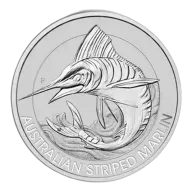
- 1.5 oz Australian Striped Marlin Silver Coin
- 1.5 oz Australian Wildlife Silver Coin
- 1.5 oz Creatures of the North Silver Coin
- 1.5 oz Grizzly Bear Silver Coin
- 1.5 oz Maple Leaf Silver Coin
- 1.5 oz Morgan Silver Coin
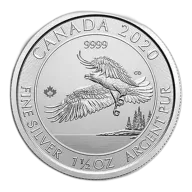
- 1.5 oz North American Bald Eagle Silver Coin
- 1.5 oz Polar Bear Silver Coin
- 1.5 oz Silver Coin
- 1.5 oz Snow Falcon Silver Coin
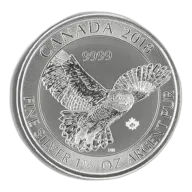
- 1.5 oz Snowy Owl Silver Coin
- 1.5 oz Superleaf Silver Coin
- 1.5 oz White Falcon Silver Coin
- 1.5 oz Wildlife Silver Coin
- 1 Kilo Aztec Calendar Silver Coin
- 1 Kilo Britannia Silver Coin
- 1 Kilo Chinese Lunar Silver Coin
- 1 Kilo Dragon Silver Coin
- 1 Kilo Kookaburra Silver Coin
- 1 Kilo Libertad Silver Coin
- 1 Kilo Noah's Ark Silver Coin
- 1 Kilo Panda Silver Coin
- 1 Kilo Perth Mint Koala Silver Coin
- 1 Kilo Perth Mint Lunar Silver Coin
- 1 Kilo Queen's Beasts Silver Coin
- 1 Kilo Silver Coin
- 1 Kilo Somalia Elephant Silver Coin
- 1 Kilo Somali Leopard Silver Coin
- 1 Kilo St George and the Dragon Silver Coin
- 1 oz African Lion Silver Coin
- 1 oz African Ounce Silver Coin
- 1 oz Allegories Silver Coin
- 1 oz Alpha & Omega Silver Coin
- 1 oz American Buffalo Silver Coin
- 1 oz American Eagle Silver Coin
- 1 oz American Liberty Silver Coin
- 1 oz American Silver Eagle Silver Coin
- 1 oz Artefacts Silver Coin
- 1 oz Athenian Owl Silver Coin
- 1 oz Australian Brumby Silver Coin
- 1 oz Australian Nugget Silver Coin
- 1 oz Australian Shipwrecks Silver Coin
- 1 oz Barbados Trident Silver Coin
- 1 oz B.H. Mayer Norse Gods Silver Coin
- 1 oz Big 5 Silver Coin
- 1 oz Big Five Silver Coin
- 1 oz Bird of Paradise Silver Coin
- 1 oz Birds of Prey Silver Coin
- 1 oz Bison Silver Coin
- 1 oz Black Flag Silver Coin
- 1 oz Bounty Silver Coin
- 1 oz Britannia and Liberty Silver Coin
- 1 oz Britannia Silver Coin
- 1 oz Bull and Bear Silver Coin
- 1 oz Bull & Bear Silver Coin
- 1 oz Call of the Wild Silver Coin
- 1 oz Cameroon Cheetah Silver Coin
- 1 oz Cameroon Imperial Dragon Silver Coin
- 1 oz Canadian Moose Silver Coin
- 1 oz Cayman Marlin Silver Coin
- 1 oz Chad Deathstalker Silver Coin
- 1 oz Chinese Lunar Silver Coin
- 1 oz Chinese Myths and Legends Silver Coin
- 1 oz Chiwoo Cheonwang Silver Coin
- 1 oz Coat of Arms Silver Coin
- 1 oz Commander Silver Coin
- 1 oz Congo Silverback Gorilla Silver Coin
- 1 oz Coronation Silver Coin
- 1 oz Dragon Rectangular Silver Coin
- 1 oz Dragon Silver Coin
- 1 oz EC8 Silver Coin
- 1 oz Egyptian Cat Silver Coin
- 1 oz Emu Silver Coin
- 1 oz Eureka Silver Coin
- 1 oz Fiji Iguana Silver Coin
- 1 oz First Mint Lunar Silver Coin
- 1 oz Five Blessings Silver Coin
- 1 oz Funnel Web Spider Silver Coin
- 1 oz Ghana Leopard Silver Coin
- 1 oz Goddesses Silver Coin
- 1 oz Gods of Olympus Silver Coin
- 1 oz Golden Eagle Silver Coin
- 1 oz Great White Shark Silver Coin
- 1 oz Grizzly Bear Silver Coin
- 1 oz Guardian Lions Silver Coin
- 1 oz Hawksbill Turtle Silver Coin
- 1 oz Humpback Whale Silver Coin
- 1 oz Icons of Inspiration Silver Coin
- 1 oz James Bond Silver Coin
- 1 oz Knights of The Past Silver Coin
- 1 oz Komodo Dragon Silver Coin
- 1 oz Kookaburra Silver Coin
- 1 oz Lady Justice Silver Coin
- 1 oz Landmarks of Britain Silver Coin
- 1 oz Legendary Creatures Silver Coin
- 1 oz Legendary Warriors Silver Coin
- 1 oz Libertad Silver Coin
- 1 oz Loggerhead Turtle Silver Coin
- 1 oz Lucky Dragon Silver Coin
- 1 oz Maltese Silver Coin
- 1 oz Mandrill Silver Coin
- 1 oz Maple Leaf Silver Coin
- 1 oz Masters of Art Silver Coin
- 1 oz Mermaid & Pearl Silver Coin
- 1 oz Mermaid Silver Coin
- 1 oz MMTC-PAMP Lakshmi Ganesh Silver Coin
- 1 oz Monarch Precious Metals Zodiac Silver Coin
- 1 oz Most Dangerous Silver Coin
- 1 oz Music Legends Silver Coin
- 1 oz Mythical Forest Silver Coin
- 1 oz Myths and Legends Silver Coin
- 1 oz National Bank of Ukraine Archangel Michael Silver Coin
- 1 oz New Zealand Mint Lunar Silver Coin
- 1 oz Nikola Tesla Silver Coin
- 1 oz Noah's Ark Silver Coin
- 1 oz Pacific Mermaid Silver Coin
- 1 oz Pacific Sovereign Silver Coin
- 1 oz PAMP Suisse Lunar Silver Coin
- 1 oz Panda Silver Coin
- 1 oz Perth Mint Kangaroo Silver Coin
- 1 oz Perth Mint Koala Silver Coin
- 1 oz Perth Mint Lunar Silver Coin
- 1 oz Philharmonic Silver Coin
- 1 oz Pobjoy Mint Angel Silver Coin
- 1 oz Pobjoy Mint Noble Silver Coin
- 1 oz Predator Silver Coin
- 1 oz Prehistoric Beast Silver Coin
- 1 oz Queen's Virtues Silver Coin
- 1 oz Quokka Silver Coin
- 1 oz Ragnarök Silver Coin
- 1 oz Ram of Calvary Silver Coin
- 1 oz Rand Refinery Krugerrand Silver Coin
- 1 oz Robin Hood Silver Coin
- 1 oz Royal Arms of England Silver Coin
- 1 oz Royal Arms Silver Coin
- 1 oz Royal Australian Mint Kangaroo Silver Coin
- 1 oz Royal Australian Mint Lunar Silver Coin
- 1 oz Rwanda Lunar Silver Coin
- 1 oz Rwanda Nautical Silver Coin
- 1 oz Sailfish Silver Coin
- 1 oz Saltwater Crocodile Silver Coin
- 1 oz Samoa Seahorse Silver Coin
- 1 oz Silver Buffalo Silver Coin
- 1 oz Silver Coin
- 1 oz Silver Fern Silver Coin
- 1 oz Somalia Elephant Silver Coin
- 1 oz Somali Leopard Silver Coin
- 1 oz South African Mint Krugerrand Silver Coin
- 1 oz Southern Cross Silver Coin
- 1 oz St George and the Dragon Silver Coin
- 1 oz Stingray Silver Coin
- 1 oz Super Pit Silver Coin
- 1 oz Swan Silver Coin
- 1 oz Taku Silver Coin
- 1 oz The Lion and The Eagle Silver Coin
- 1 oz The Royal Mint Lunar Silver Coin
- 1 oz The Valiant Silver Coin
- 1 oz Unicorn Silver Coin
- 1 oz Untamed Landscapes Silver Coin
- 1 oz US Mint Liberty Silver Coin
- 1 oz Wedge-Tailed Eagle Silver Coin
- 1 oz Wildlife Silver Coin
- 1 oz Witchcraft Silver Coin
- 1 oz Wonders of Australia Silver Coin
- 1 oz World's Wildlife Silver Coin
- 1 oz Zebra Seahorse Silver Coin
- 1 oz Zi:Sin Silver Coin
- 20g MMTC-PAMP Lakshmi Ganesh Silver Coin
- 2 oz Australian Wildlife Silver Coin
- 2 oz B.H. Mayer Norse Gods Silver Coin
- 2 oz Biblical Silver Coin
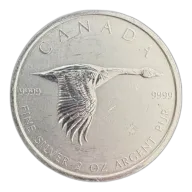
- 2 oz Canada Goose Silver Coin
- 2 oz Chinese Lunar Silver Coin
- 2 oz Creatures of the North Silver Coin
- 2 oz Dragon Rectangular Silver Coin
- 2 oz Dragon Silver Coin
- 2 oz Fairy Tale Coins Silver Coin
- 2 oz Germania Mint Norse Gods Silver Coin
- 2 oz Humpback Whale Silver Coin
- 2 oz Knights of The Past Silver Coin
- 2 oz Kookaburra Silver Coin
- 2 oz Libertad Silver Coin
- 2 oz Loggerhead Turtle Silver Coin
- 2 oz Noah's Dove Silver Coin
- 2 oz Perth Mint Kangaroo Silver Coin
- 2 oz Perth Mint Koala Silver Coin
- 2 oz Perth Mint Lunar Silver Coin
- 2 oz Queen's Beasts Silver Coin
- 2 oz Ragnarök Silver Coin
- 2 oz RCMP Silver Coin
- 2 oz Robin Hood Silver Coin
- 2 oz Royal Australian Mint Kangaroo Silver Coin
- 2 oz Silver Coin
- 2 oz The Awakening Series Silver Coin
- 2 oz Tudor Beasts Silver Coin
- 2 oz Twin Maple Leaf Silver Coin
- 2 oz Two Dragons Silver Coin
- 2 oz Valkyries Silver Coin
- 30g Panda Silver Coin
- 3/4 oz Call of the Wild Silver Coin
- 3/4 oz Predator Silver Coin
- 3/4 oz Silver Coin
- 500g Perth Mint Lunar Silver Coin
- 5 Kilo Noah's Ark Silver Coin
- 5 oz America the Beautiful Silver Coin
- 5 oz Biblical Silver Coin
- 5 oz Black Flag Silver Coin
- 5 oz Britannia Silver Coin
- 5 oz British Lion Silver Coin
- 5 oz Commander Silver Coin
- 5 oz Golden State Mint Lunar Silver Coin
- 5 oz Grand Maple Leaf Silver Coin
- 5 oz Libertad Silver Coin
- 5 oz Magnificent Maples Silver Coin
- 5 oz Maple Leaf Silver Coin
- 5 oz Noah's Ark Silver Coin
- 5 oz PAMP Suisse Banyan Tree Silver Coin
- 5 oz Panda Silver Coin
- 5 oz Perth Mint Lunar Silver Coin
- 5 oz Polar Bear Silver Coin
- 5 oz Queen's Virtues Silver Coin
- 5 oz Ram of Calvary Silver Coin
- 5 oz Silver Coin
- 5 oz Somalia Elephant Silver Coin
- 5 oz Taku Silver Coin
- 5 oz The Awakening Series Silver Coin
- 8g EC8 Silver Coin
- Pre-Owned 10 oz Britannia Silver Coin
- Pre-Owned 10 oz Kookaburra Silver Coin
- Pre-Owned 10 oz Myths and Legends Silver Coin
- Pre-Owned 10 oz Perth Mint Koala Silver Coin
- Pre-Owned 10 oz Perth Mint Lunar Silver Coin
- Pre-Owned 10 oz Perth Mint Silver Coin
- Pre-Owned 10 oz Queen's Beasts Silver Coin
- Pre-Owned 10 oz Royal Arms Silver Coin
- Pre-Owned 10 oz Silver Coin
- Pre-Owned 10 oz The Valiant Silver Coin
- Pre-Owned 1/10 oz Britannia Silver Coin
- Pre-Owned 1.25 oz Bison Silver Coin
- Pre-Owned 1.25 oz Silver Coin
- Pre-Owned 1/2 oz Britannia Silver Coin
- Pre-Owned 1/2 oz Devil's Brigade Silver Coin
- Pre-Owned 1/2 oz Hawksbill Turtle Silver Coin
- Pre-Owned 1/2 oz Libertad Silver Coin
- Pre-Owned 1/2 oz Noah's Ark Silver Coin
- Pre-Owned 1/2 oz Perth Mint Koala Silver Coin
- Pre-Owned 1/2 oz Perth Mint Lunar Silver Coin
- Pre-Owned 1/2 oz Silver Coin
- Pre-Owned 1/2 oz The Lion and The Eagle Silver Coin
- Pre-Owned 1/2 oz Wildlife Silver Coin
- Pre-Owned 1/4 oz Britannia Silver Coin
- Pre-Owned 1.5 oz Arctic Fox Silver Coin
- Pre-Owned 1.5 oz Royal Canadian Mint Silver Coin
- Pre-Owned 1.5 oz Silver Coin
- Pre-Owned 1.5 oz Snow Falcon Silver Coin
- Pre-Owned 1.5 oz Superleaf Silver Coin
- Pre-Owned 1.5 oz Wildlife Silver Coin
- Pre-Owned 1 Kilo Britannia Silver Coin
- Pre-Owned 1 Kilo Libertad Silver Coin
- Pre-Owned 1 Kilo Perth Mint Koala Silver Coin
- Pre-Owned 1 Kilo Perth Mint Lunar Silver Coin
- Pre-Owned 1 Kilo Silver Coin
- Pre-Owned 1 oz 125th Anniversary Silver Coin
- Pre-Owned 1 oz American Eagle Silver Coin
- Pre-Owned 1 oz American Silver Eagle Silver Coin
- Pre-Owned 1 oz Athenian Owl Silver Coin
- Pre-Owned 1 oz Australia Zoo Silver Coin
- Pre-Owned 1 oz Austrian Mint Zodiac Silver Coin
- Pre-Owned 1 oz Bird of Paradise Silver Coin
- Pre-Owned 1 oz Bison Silver Coin
- Pre-Owned 1 oz Black Flag Silver Coin
- Pre-Owned 1 oz Bödvar Saga Silver Coin
- Pre-Owned 1 oz Britannia and Liberty Silver Coin
- Pre-Owned 1 oz Britannia Silver Coin
- Pre-Owned 1 oz British Lion Silver Coin
- Pre-Owned 1 oz Bull and Bear Silver Coin
- Pre-Owned 1 oz Canadian Moose Silver Coin
- Pre-Owned 1 oz China Mint Silver Coin
- Pre-Owned 1 oz Chronos Silver Coin
- Pre-Owned 1 oz Coat of Arms Silver Coin
- Pre-Owned 1 oz Congo Silverback Gorilla Silver Coin
- Pre-Owned 1 oz Coronation Silver Coin
- Pre-Owned 1 oz Dragon Rectangular Silver Coin
- Pre-Owned 1 oz East India Company Silver Coin
- Pre-Owned 1 oz East India Company Una and the Lion Silver Coin
- Pre-Owned 1 oz Equilibrium Silver Coin
- Pre-Owned 1 oz Five Blessings Silver Coin
- Pre-Owned 1 oz Funnel Web Spider Silver Coin
- Pre-Owned 1 oz Gold Kiwi Silver Coin
- Pre-Owned 1 oz Growling Cougar Silver Coin
- Pre-Owned 1 oz Hawksbill Turtle Silver Coin
- Pre-Owned 1 oz Icons of Inspiration Silver Coin
- Pre-Owned 1 oz Knights of Malta Silver Coin
- Pre-Owned 1 oz Knights of The Past Silver Coin
- Pre-Owned 1 oz Kookaburra Silver Coin
- Pre-Owned 1 oz Lady Justice Silver Coin
- Pre-Owned 1 oz Landmarks of Britain Silver Coin
- Pre-Owned 1 oz Legendary Creatures Silver Coin
- Pre-Owned 1 oz Libertad Silver Coin
- Pre-Owned 1 oz Mandala Silver Coin
- Pre-Owned 1 oz Maple Leaf Silver Coin
- Pre-Owned 1 oz Monarch Precious Metals Zodiac Silver Coin
- Pre-Owned 1 oz Myths and Legends Silver Coin
- Pre-Owned 1 oz National Bank of Ukraine Archangel Michael Silver Coin
- Pre-Owned 1 oz New Zealand Mint Silver Coin
- Pre-Owned 1 oz Noah's Ark Silver Coin
- Pre-Owned 1 oz Norns Silver Coin
- Pre-Owned 1 oz NSW Coat of Arms Silver Coin
- Pre-Owned 1 oz Numismatic Icons Silver Coin
- Pre-Owned 1 oz Panda Silver Coin
- Pre-Owned 1 oz Perth Mint Kangaroo Silver Coin
- Pre-Owned 1 oz Perth Mint Koala Silver Coin
- Pre-Owned 1 oz Perth Mint Lunar Silver Coin
- Pre-Owned 1 oz Perth Mint Silver Coin
- Pre-Owned 1 oz Philharmonic Silver Coin
- Pre-Owned 1 oz Pobjoy Mint Noble Silver Coin
- Pre-Owned 1 oz Pobjoy Mint Silver Coin
- Pre-Owned 1 oz Pressburg Mint Silver Coin
- Pre-Owned 1 oz Queen's Virtues Silver Coin
- Pre-Owned 1 oz Quokka Silver Coin
- Pre-Owned 1 oz Robin Hood Silver Coin
- Pre-Owned 1 oz Royal Arms Silver Coin
- Pre-Owned 1 oz Royal Australian Mint Kangaroo Silver Coin
- Pre-Owned 1 oz Royal Australian Mint Silver Coin
- Pre-Owned 1 oz Royal Canadian Mint Silver Coin
- Pre-Owned 1 oz Saltwater Crocodile Silver Coin
- Pre-Owned 1 oz Scottsdale Mint Silver Coin
- Pre-Owned 1 oz Silver Coin
- Pre-Owned 1 oz Singapore Lunar Silver Coin
- Pre-Owned 1 oz Snow Falcon Silver Coin
- Pre-Owned 1 oz Somalia Elephant Silver Coin
- Pre-Owned 1 oz Somali Leopard Silver Coin
- Pre-Owned 1 oz South African Mint Krugerrand Silver Coin
- Pre-Owned 1 oz South African Mint Silver Coin
- Pre-Owned 1 oz Sovereign Silver Coin
- Pre-Owned 1 oz St George and the Dragon Silver Coin
- Pre-Owned 1 oz Taku Silver Coin
- Pre-Owned 1 oz The Lion and The Eagle Silver Coin
- Pre-Owned 1 oz The Royal Mint Lunar Silver Coin
- Pre-Owned 1 oz The Royal Mint Silver Coin
- Pre-Owned 1 oz The Valiant Silver Coin
- Pre-Owned 1 oz Valkyries Silver Coin
- Pre-Owned 1 oz Vivat Humanitas Silver Coin
- Pre-Owned 1 oz Wedge-Tailed Eagle Silver Coin
- Pre-Owned 1 oz Wildlife Silver Coin
- Pre-Owned 1 oz Wonders of Australia Silver Coin
- Pre-Owned 2 oz Australian Wildlife Silver Coin
- Pre-Owned 2 oz Canada Goose Silver Coin
- Pre-Owned 2 oz Egyptian Relic Silver Coin
- Pre-Owned 2 oz Hawksbill Turtle Silver Coin
- Pre-Owned 2 oz Libertad Silver Coin
- Pre-Owned 2 oz Perth Mint Lunar Silver Coin
- Pre-Owned 2 oz Perth Mint Silver Coin
- Pre-Owned 2 oz Queen's Beasts Silver Coin
- Pre-Owned 2 oz Silver Coin
- Pre-Owned 2 oz The Royal Mint Silver Coin
- Pre-Owned 2 oz Tudor Beasts Silver Coin
- Pre-Owned 2 oz Twin Maple Leaf Silver Coin
- Pre-Owned 30g Panda Silver Coin
- Pre-Owned 3/4 oz Call of the Wild Silver Coin
- Pre-Owned 3/4 oz Silver Coin
- Pre-Owned 5 oz America the Beautiful Silver Coin
- 125th Anniversary
- African Lion
- African Wildlife Leopard
- Allegories
- Alpha & Omega
- American Buffalo
- American Eagle
- American Liberty
- American Silver Eagle
- America the Beautiful
- Archangel Michael
- Arctic Fox
- Artefacts
- Athenian Owl
- Australian Brumby
- Australian Nugget
- Australian Platypus
- Australian Shipwrecks
- Australian Striped Marlin
- Australian Wildlife
- Australia's Coat of Arms
- Australia's Most Dangerous Series
- Australia Zoo Series
- Aztec Calendar
- Banyan Tree
- Barbados Trident
- Biblical
- Big 5
- Big Five
- Bird of Paradise
- Birds of Prey
- Bison
- Black Flag
- Bödvar Saga
- Bounty
- Britannia
- Britannia and Liberty
- British Lion
- Bull and Bear
- Bull and Bear
- Calgary Stampede
- Call of the Wild
- Cameroon Cheetah
- Cameroon Imperial Dragon
- Canada Goose
- Canadian Moose
- Cayman Marlin
- Chad Deathstalker
- Chinese Lunar
- Chinese Myths and Legends
- Chiwoo Cheonwang
- Chronos
- Commander
- Congo Silverback Gorilla
- Coronation
- Creatures of the North
- Devil's Brigade
- Dragon
- Dragon Rectangular
- EC8
- Egyptian Cat
- Egyptian Relic
- Emu
- Equilibrium
- Eureka
- Fiji Iguana
- Fiji Taku
- First Mint Lunar
- Five Blessings
- Funnel Web Spider
- Germania
- Germania Mint Norse Gods
- Ghana Leopard
- Goddesses
- Gods of Olympus
- Golden Eagle
- Golden State Lunar
- Gold Kiwi
- Grand Maple Leaf
- Great White Shark
- Grizzly Bear
- Growling Cougar
- Guardian Lions
- Hans Christian Andersen Fairy Tale Coins
- Hawksbill Turtle
- Humpback Whale
- Icons of Inspiration
- James Bond Bullion Bars
- Knights of Malta
- Knights of The Past
- Komodo Dragon
- Kookaburra
- Kundan Refinery Lakshmi Ganesh
- Lady Justice
- Landmarks of Britain
- Legendary Creatures
- Legendary Warriors
- Libertad
- Liberty
- Loggerhead Turtle
- Lucky Dragon
- Magnificent Maples
- Maltese
- Mandala Wildlife
- Mandrill
- Maple Leaf
- Masters of Art
- Mermaid
- MMTC-PAMP Lakshmi Ganesh
- Morgan
- Music Legends
- Mythical Forest
- Myths and Legends
- New South Wales Coat of Arms
- Nikola Tesla
- Niue Lunar
- Noah's Ark
- Noah's Dove
- Noble
- Norns
- Norse Gods
- North American Bald Eagle
- Numismatic Icons
- Pacific Mermaid
- Pacific Sovereign
- PAMP Lunar
- Panda
- Perth Kangaroo
- Perth Koala
- Perth Lunar
- Philharmonic
- Pobjoy Angel
- Polar Bear
- Predator
- Prehistoric Beast
- Queen's Beasts
- Quokka
- Ragnarök
- RAM Kangaroo
- RAM Lunar
- Ram of Calvary
- Rand Refinery Krugerrand
- Robin Hood
- Royal Arms
- Royal Arms of England
- Royal Canadian Mounted Police
- Royal Mint Lunar
- Rwandan African Ounce
- Rwandan Lunar Ounce
- Rwandan Nautical Ounce
- Sailfish
- Saltwater Crocodile
- SA Mint Krugerrand
- Samoa Mermaid & Pearl
- Samoa Seahorse
- Scottsdale Stacker
- Scottsdale Unicorn
- Silver Buffalo Round
- Silver Fern
- SilverNote
- Singapore Lunar
- Snow Falcon
- Snowy Owl
- Somalia Elephant
- Southern Cross
- Sovereign
- St George and the Dragon
- St Helena Queen's Virtues
- St Helena Una and the Lion
- Stingray
- Superleaf
- Super Pit
- Swan
- The Awakening Series
- The Lion and The Eagle
- The Valiant
- Tudor Beasts
- Twin Maple Leaf
- Two Dragons
- Untamed Landscapes
- Valkyries
- Vivat Humanitas
- Wedge-Tailed Eagle
- White Falcon
- Wildlife
- Witchcraft
- Wonders of Australia
- World's Wildlife
- Zebra Seahorse
- Zi:Sin
- Zodiac
- Zodiac