158 products · 2,575 deals
Filters
| Product | /oz | Premium | Price | |
|---|---|---|---|---|
| $4,325.48 | -0.45% |
$4,325.48
£3,241
|
Compare | |

3 deals
|
$4,360.08 | +0.34% |
$4,360.08
£3,267
|
Compare |

63 deals
|
$4,370.03 | +0.57% |
$4,370.03
£3,275
|
Compare |
| $4,372.17 | +0.62% |
$4,372.17
£3,276
|
Compare | |

13 deals
|
$4,373.38 | +0.65% |
$4,373.38
£3,277
|
Compare |

96 deals
|
$4,374.23 | +0.67% |
$4,374.22
£3,278
|
Compare |
| $4,449.89 | +0.95% | $4,449.89 | View Deal | |

3 deals
|
$4,471.18 | +1.43% | $1,117.80 | Compare |

13 deals
|
$4,416.90 | +1.65% |
$2,079.54
£1,558
|
Compare |

51 deals
|
$4,417.55 | +1.66% |
$4,417.55
£3,310
|
Compare |

10 deals
|
$4,417.55 | +1.66% |
$4,417.55
£3,310
|
Compare |

5 deals
|
$4,430.57 | +1.68% |
$142,445.92
€123,974
|
Compare |

3 deals
|
$4,483.30 | +1.71% | $4,483.30 | Compare |
| $4,483.90 | +1.72% | $4,483.90 | View Deal | |

86 deals
|
$4,420.93 | +1.74% |
$4,420.93
£3,313
|
Compare |

93 deals
|
$4,427.87 | +1.90% |
$4,427.87
£3,318
|
Compare |

2 deals
|
$4,427.90 | +1.90% |
$4,427.89
£3,318
|
Compare |

6 deals
|
$4,492.42 | +1.91% | $1,123.11 | Compare |

5 deals
|
$4,493.30 | +1.93% | $1,123.33 | Compare |

9 deals
|
$4,435.86 | +2.09% |
$4,435.86
£3,324
|
Compare |

65 deals
|
$4,438.72 | +2.15% |
$4,438.72
£3,326
|
Compare |

40 deals
|
$4,439.21 | +2.16% |
$4,439.21
£3,327
|
Compare |

11 deals
|
$4,440.10 | +2.18% |
$4,440.10
£3,327
|
Compare |

62 deals
|
$4,442.28 | +2.23% |
$4,442.28
£3,329
|
Compare |

4 deals
|
$4,445.19 | +2.30% |
$4,445.19
£3,331
|
Compare |

6 deals
|
$4,445.19 | +2.30% |
$4,445.19
£3,331
|
Compare |

39 deals
|
$4,447.39 | +2.35% |
$1,111.85
£833
|
Compare |

67 deals
|
$4,450.91 | +2.43% |
$4,450.91
£3,335
|
Compare |

8 deals
|
$4,517.69 | +2.49% | $2,258.85 | Compare |

2 deals
|
$4,455.23 | +2.53% |
$4,455.24
£3,339
|
Compare |






Prices are fetched automatically and may not reflect current merchant prices. Currency conversions and tax treatment are approximate. Rankings are based solely on price. We are not a dealer and accept no responsibility for transactions with listed merchants. Past performance is not indicative of future results. This site does not provide investment advice. Full disclaimer
About Gold Coins
Gold Coins: Legal Tender Status and What It Means for Buyers
Gold bullion coins are struck by sovereign (government) mints and carry a legal tender face value denomination. That legal tender status is the defining feature that separates coins from bars and rounds, and it drives concrete advantages in tax treatment, authentication, and resale liquidity.
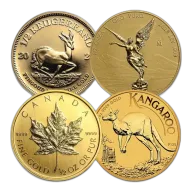
The modern gold bullion coin market began in 1967 with the South African Krugerrand, which made it possible for individual investors to own exactly one troy ounce of gold in a standardised, easily tradeable form. Its success prompted a wave of competing programmes: the Canadian Maple Leaf (1979), the American Gold Eagle (1986), the British Britannia (1987), the Australian Kangaroo (1986), and the Austrian Philharmonic (1989). These six, along with the American Buffalo (2006) and the Sovereign, form the core of the global gold coin market.
Coins carry higher premiums than bars, typically 3-7% over spot for a 1 oz piece versus 1-4% for a bar of equivalent weight. That premium reflects the more complex minting process, sovereign branding, anti-counterfeiting technology, and the legal tender markup. The premium trade-off is justified by three things: narrower buy-sell spreads on resale (dealers pay more for recognisable coins), stronger authentication features, and tax advantages in specific jurisdictions. In the UK, for instance, Britannias and Sovereigns are exempt from Capital Gains Tax, a benefit that bars cannot match.
Standard coin weights are 1 oz, 1/2 oz, 1/4 oz, and 1/10 oz. Fractional sizes carry progressively higher premiums: 7-12% for 1/4 oz, 10-20% for 1/10 oz. These premiums reflect the fixed costs of minting each individual coin, spread across less metal. Fractionals offer divisibility for partial liquidation but at a cost that makes them less efficient for pure accumulation.
Secondary market (random-year) coins are the same product as current-year coins at a premium typically 1-3% lower. The year of minting does not affect the gold content or resale value for bullion purposes; it matters only for collectors. Buying secondary market coins is one of the simplest ways to reduce the cost of building a gold coin position.
Gold Coin Tax Treatment by Country
Gold coins receive the most favourable tax treatment of any gold form in the UK, where legal tender status confers CGT exemption on top of the universal gold VAT exemption. In other jurisdictions, coins and bars receive identical treatment, making the choice a pure premium-versus-liquidity trade-off.
United Kingdom
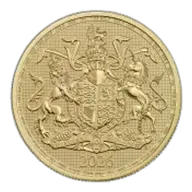
All investment gold, including coins meeting the HMRC criteria (post-1800, 900+ thousandths purity, legal tender, priced within 180% of gold content), is VAT-exempt. UK legal tender coins go further: Britannias, Sovereigns, Lunar coins, Queen's Beasts, Tudor Beasts, and Royal Arms coins are CGT-exempt. This is because they are classified as British legal currency, and currency is not subject to CGT regardless of any increase in value. This double exemption (zero VAT on purchase, zero CGT on sale) is unique to the UK and does not apply to non-UK coins: Krugerrands, Eagles, and Maple Leafs are VAT-exempt in the UK but are subject to CGT on disposal.
Gold coins are eligible for SIPPs, providing income tax relief and CGT shelter within the pension wrapper.
United States
No federal sales tax on gold coins. Over 40 states exempt bullion from state sales tax. Capital gains are taxed at the 28% collectibles rate for long-term holdings, the same rate as bars. The American Gold Eagle has a unique statutory exemption allowing IRA inclusion despite its 91.67% purity (below the standard 99.5% requirement). The American Buffalo (999.9), Maple Leaf, Britannia, and other 99.5%+ coins are IRA-eligible under the standard rule.
Canada
GST/HST exempt for gold coins at 99.5%+ purity. Legal tender coins from government mints qualify. Capital gains are taxable at the standard inclusion rate. RRSP and TFSA eligible.
Australia
GST-free for investment-grade gold coins at 99.5%+ purity from accredited sources. CGT applies with a 50% discount for assets held over 12 months.
New Zealand
GST-exempt for gold coins at 99.5%+ purity. 22-carat coins attract 15% GST because they fall below the threshold. This affects Krugerrands, American Eagles, and Sovereigns. NZ buyers should prefer 999.9 coins: Maple Leaf, Britannia, Kangaroo, or Philharmonic. No capital gains tax.
Singapore
GST-exempt for gold coins at 99.5%+ purity that are or were legal tender. As with NZ, 22-carat coins do not qualify. No capital gains tax.
Hong Kong
No VAT, no import duty, no capital gains tax.
Germany and the EU
Investment gold coins are VAT-exempt under the EU Investment Gold Directive (post-1800, 900+ purity, legal tender). The EU publishes an annual list of qualifying coins. In Germany, capital gains on coins held longer than one year are completely tax-free, regardless of amount.
Gold Coin Premiums by Product and Weight
Gold coin premiums are higher than bar premiums at every weight class, reflecting the cost of sovereign mint production, anti-counterfeiting technology, and the legal tender markup. The premium gap narrows at smaller weights, where the fixed costs of individual production dominate regardless of form.
1 oz Sovereign Coins
| Coin | Typical premium (normal market) | Notes |
|---|---|---|
| Krugerrand (secondary market) | 2-4% | Often the lowest-premium sovereign coin |
| Maple Leaf | 3-5% | Among the lowest for current-year sovereign coins |
| Philharmonic | 3-5% | Competitive premiums in European markets |
| Britannia | 4-6% | Premium reflects CGT-exempt status in UK |
| American Gold Eagle | 4-7% | US domestic demand drives higher premium |
| Kangaroo | 3-5% | Competitive; annual design changes |
| American Buffalo | 4-6% | First US 999.9 coin; IRA-eligible |
Fractional Coins
| Size | Typical premium |
|---|---|
| 1/2 oz | 5-8% |
| 1/4 oz | 7-12% |
| 1/10 oz | 10-20% |
| 1/20 oz | 15-25%+ |
Fractional premiums are driven by the same fixed production costs per coin spread across less gold. A 1/10 oz coin costs nearly as much to mint, package, and ship as a 1 oz coin, but the gold content is one-tenth. Fractionals make sense for divisibility and gifting, not for cost-efficient accumulation.
Secondary market (random-year) coins trade at a discount of 1-3% compared to current-year issues. The gold content, purity, and resale liquidity are identical. For investors focused on metal value, secondary market coins from major sovereign mints are the most cost-efficient coin option.
Premiums are not fixed. During demand spikes (COVID in 2020, price surges in 2025), premiums on popular coins can push above 10%. During quiet markets with ample dealer inventory, they compress toward the lower end of the ranges. The Krugerrand's premium advantage is most pronounced in the secondary market, where its long history (first minted 1967) provides abundant supply.
Major Gold Bullion Coins: Eight Products That Define the Market
Eight sovereign mint coins account for the vast majority of global gold coin sales. Each has distinct characteristics that make it suited to different buyers and jurisdictions.
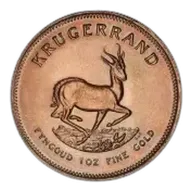
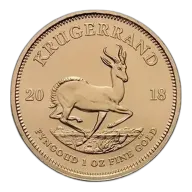
The South African Krugerrand (1967) is the original modern bullion coin. Struck at 22 carat (916.7 fine) with a copper alloy that gives it a warm, orange-gold colour, it contains exactly 1 troy ounce of pure gold at a total weight of 33.93g. The Krugerrand typically carries the lowest premium among sovereign coins, particularly on the secondary market where decades of production have created abundant supply. It has no face value denomination. It is VAT-exempt in South Africa and the UK but is not CGT-exempt in the UK (not UK legal tender) and does not qualify for GST exemption in New Zealand or Singapore due to its 22ct purity.
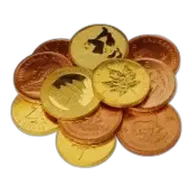
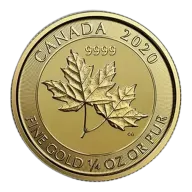
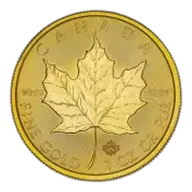
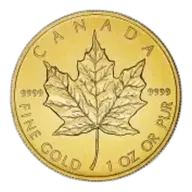
The Canadian Maple Leaf (1979) was the first 999.9 fine gold coin. It pioneered the MicroEngraved security feature (Bullion DNA) in 2014, a laser-engraved maple leaf privy mark verifiable at authorised dealers. Its 999.9 purity qualifies it for tax exemptions in every jurisdiction, including New Zealand and Singapore where 22ct coins do not. Premiums are among the lowest for current-year sovereign coins.
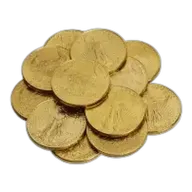
The American Gold Eagle (1986) is the most popular gold coin in the US market. Struck at 22 carat with silver and copper alloy, it contains 1 troy ounce of gold at a total weight of 33.93g. The Eagle has a unique statutory exemption for US IRA eligibility despite its 91.67% purity. It is not GST-exempt in New Zealand or Singapore.
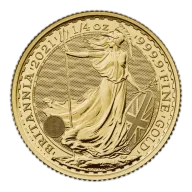
The British Britannia (1987, 999.9 since 2013) is the most tax-efficient gold coin for UK buyers: VAT-exempt on purchase and CGT-exempt on sale. Advanced security features include tincture lines and micro-text created with picosecond lasers (lines 200 times narrower than a human hair). The Britannia carries a modest premium over the Maple Leaf and Krugerrand, reflecting the UK CGT exemption demand.
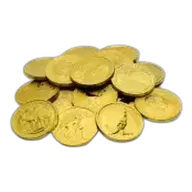
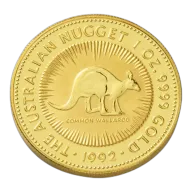
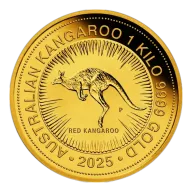
The Australian Kangaroo (1986, originally the Gold Nugget) is 999.9 fine and changes its reverse design annually, adding a degree of collectibility without reducing its bullion value. Competitive premiums and Perth Mint's government backing make it popular across Asia-Pacific markets.
The Austrian Philharmonic (1989) is denominated in euros and is the most popular gold coin in continental Europe. At 999.9 fine, it qualifies for tax exemptions universally. Premiums are competitive with the Maple Leaf.
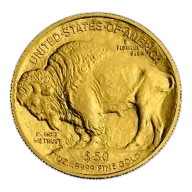
The American Buffalo (2006) is the first 999.9 fine gold coin from the US Mint, IRA-eligible under the standard purity rule. Its design echoes the classic 1913 Buffalo nickel. It serves as the 24-carat alternative to the 22-carat American Eagle in the US market.
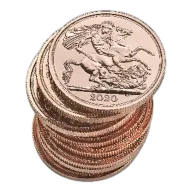
The Sovereign is a smaller denomination (7.32g, approximately 1/4 oz of gold at 22 carat) with a history stretching back to 1817 in its modern form. CGT-exempt in the UK like the Britannia, the Sovereign is practical for divisibility and smaller transactions. Its lower price point per coin makes it accessible to buyers building a position gradually.
Authenticating Gold Coins: Security Features and Testing
Sovereign mint coins are harder to counterfeit than bars or rounds due to intricate design detail, precise specifications, and increasingly sophisticated security technology. The counterfeiting risk on gold coins is lower than on large bars because the thinner form factor makes density substitution (the tungsten-core threat) detectable by basic dimension and weight checks.
Modern Security Features
The Canadian Maple Leaf introduced Bullion DNA in 2014: a micro-engraved maple leaf privy mark with radial lines, each die producing a unique pattern. This mark is verifiable at authorised dealers using a specialised reader. The Maple Leaf also features a laser-engraved micro-text security mark visible under magnification.
The British Britannia uses tincture lines created with picosecond lasers, producing lines 200 times narrower than a human hair. These create a surface animation visible when the coin is tilted at different angles. Micro-text is also incorporated into the design.
These features make modern sovereign coins among the most difficult objects to counterfeit convincingly. The precision required is beyond the capability of most counterfeiting operations.
Basic Authentication Methods
Weight and dimensions: Every sovereign mint coin has precisely documented weight, diameter, and thickness specifications. A 1 oz gold coin weighs exactly 31.1035g (for 999.9 coins) or 33.93g (for 22ct Eagles and Krugerrands). These tolerances are tight. A simple precision scale and caliper can detect most fakes, since finding a substitute material that matches gold's density at the correct dimensions is extremely difficult. Tungsten (19.25 g/cm3 versus gold's 19.32 g/cm3) is close but produces a measurably different sound when struck.
Ring test: A gold coin balanced on a fingertip and gently tapped produces a distinctive, clear ring that differs from tungsten or base metals. This is a quick field test, not definitive, but useful as a first check.
Sigma Metalytics Precious Metal Verifier: Uses electromagnetic conductivity to verify metal identity. Widely used by dealers and available to individual investors. Effective for coins and small bars. Non-destructive and quick.
XRF testing: X-ray fluorescence reads the elemental composition of the surface. Accurate for surface purity but does not penetrate deeply (10-50 microns). Sufficient for coins where the thin cross-section makes core substitution impractical.
For retail purchases from authorised dealers, the counterfeiting risk on sovereign mint coins is negligible. The authentication concern is more relevant in the secondary market: private sales, auctions, and purchases from unfamiliar sources. In those situations, weight/dimension checks combined with Sigma testing provide strong assurance.
Gold Coins: frequently asked questions
-
Gold coin prices track the spot price closely. The live spot rate is $4,408.10 per troy ounce; most 1 oz bullion coins sell at that figure plus a manufacturing and dealer premium. We track 2660 listings from 76 dealers on this page, so you can compare premiums side by side.
-
Bars generally carry lower premiums per troy ounce because fabrication is cheaper and there is no legal-tender surcharge. Coins offer more divisibility (smaller denominations are available) and, for certain legal-tender coins, potential Capital Gains Tax advantages in some markets. Neither is universally better; the right choice depends on budget, tax situation, and how you plan to sell.
-
In the UK, gains on gold coins above the £3,000 annual allowance are taxed at 18% or 24% depending on your income band; some UK legal-tender coins may receive different treatment, which the tax tab covers. US investors pay up to 28% on long-term gains. In Canada, 50% of any gain is included in taxable income. Check the tax tab on this page for rates in your country.
-
Most modern bullion coins are 999.9 fine (24 carat), including the Canadian Maple Leaf and Australian Kangaroo. Some classic issues use a 22-carat (916.7) alloy for durability: the Krugerrand, for example, contains one troy ounce of gold in a slightly larger disc mixed with copper. Neither is 100% gold, but the troy ounce gold content is guaranteed by the issuing mint.
- 0.5g Gold Coin
- 0.5g Maple Leaf Gold Coin
- 0.5g Perth Mint Kangaroo Gold Coin
- 10g American Eagle Gold Coin
- 10g Maple Leaf Gold Coin
- 10g MMTC-PAMP Lakshmi Ganesh Gold Coin
- 10 oz Chinese Lunar Gold Coin
- 10 oz Gold Coin
- 10 oz Perth Mint Kangaroo Gold Coin
- 10 oz Perth Mint Lunar Gold Coin
- 1/10 oz American Eagle Gold Coin
- 1/10 oz American Gold Eagle Gold Coin
- 1/10 oz American Liberty Gold Coin
- 1/10 oz American Prospector Gold Coin
- 1/10 oz Australian Nugget Gold Coin
- 1/10 oz Barbados Trident Gold Coin
- 1/10 oz Bounty Gold Coin
- 1/10 oz Britannia and Liberty Gold Coin
- 1/10 oz Britannia Gold Coin
- 1/10 oz Commander Gold Coin
- 1/10 oz Devil's Brigade Gold Coin
- 1/10 oz Five Blessings Gold Coin
- 1/10 oz Gold Coin
- 1/10 oz Gold Lion Gold Coin
- 1/10 oz Growling Cougar Gold Coin
- 1/10 oz Kookaburra Gold Coin
- 1/10 oz Lady Justice Gold Coin
- 1/10 oz Libertad Gold Coin
- 1/10 oz Maltese Gold Coin
- 1/10 oz Maple Leaf Gold Coin
- 1/10 oz North American Bald Eagle Gold Coin
- 1/10 oz Panda Gold Coin
- 1/10 oz Perth Mint Kangaroo Gold Coin
- 1/10 oz Perth Mint Lunar Gold Coin
- 1/10 oz Philharmonic Gold Coin
- 1/10 oz Polar Bear Gold Coin
- 1/10 oz Rand Refinery Krugerrand Gold Coin
- 1/10 oz Royal Arms Gold Coin
- 1/10 oz Royal Australian Mint Kangaroo Gold Coin
- 1/10 oz Royal Australian Mint Lunar Gold Coin
- 1/10 oz Royal Canadian Mint Lunar Gold Coin
- 1/10 oz Somalia Elephant Gold Coin
- 1/10 oz South African Mint Krugerrand Gold Coin
- 1/10 oz Sovereign Gold Coin
- 1/10 oz The Royal Mint Lunar Gold Coin
- 1/10 oz Tower Mint Angel Gold Coin
- 1/10 oz Victory in the Pacific Gold Coin
- 1/10 oz War in the Pacific Gold Coin
- 1/10 oz Wedge-Tailed Eagle Gold Coin
- 1/20 oz American Eagle Gold Coin
- 1/20 oz Britannia Gold Coin
- 1/20 oz Gold Coin
- 1/20 oz Gold Lion Gold Coin
- 1/20 oz Libertad Gold Coin
- 1/20 oz Maple Leaf Gold Coin
- 1/20 oz Panda Gold Coin
- 1/20 oz Perth Mint Kangaroo Gold Coin
- 1/20 oz Perth Mint Lunar Gold Coin
- 1/20 oz Tower Mint Angel Gold Coin
- 1/25 oz Maple Leaf Gold Coin
- 1/25 oz Philharmonic Gold Coin
- 1/25 oz Somalia Elephant Gold Coin
- 1/2 oz American Buffalo Gold Coin
- 1/2 oz American Eagle Gold Coin
- 1/2 oz American Gold Eagle Gold Coin
- 1/2 oz Australian Nugget Gold Coin
- 1/2 oz Britannia Gold Coin
- 1/2 oz Gold Coin
- 1/2 oz Gold Lion Gold Coin
- 1/2 oz Helvetia Gold Coin
- 1/2 oz Libertad Gold Coin
- 1/2 oz Maple Leaf Gold Coin
- 1/2 oz Noah's Ark Gold Coin
- 1/2 oz Panda Gold Coin
- 1/2 oz Perth Mint Kangaroo Gold Coin
- 1/2 oz Perth Mint Lunar Gold Coin
- 1/2 oz Philharmonic Gold Coin
- 1/2 oz Rand Refinery Krugerrand Gold Coin
- 1/2 oz Royal Australian Mint Kangaroo Gold Coin
- 1/2 oz Royal Australian Mint Lunar Gold Coin
- 1/2 oz South African Mint Krugerrand Gold Coin
- 1/2 oz Tower Mint Angel Gold Coin
- 1/2 oz US Mint Liberty Gold Coin
- 1/4 oz American Buffalo Gold Coin
- 1/4 oz American Eagle Gold Coin
- 1/4 oz American Gold Eagle Gold Coin
- 1/4 oz Arctic Fox Gold Coin
- 1/4 oz Australian Striped Marlin Gold Coin
- 1/4 oz Australian Wildlife Gold Coin
- 1/4 oz Battle of the Coral Sea Gold Coin
- 1/4 oz Bison Gold Coin
- 1/4 oz Britannia and Liberty Gold Coin
- 1/4 oz Britannia Gold Coin
- 1/4 oz Canadian Moose Gold Coin
- 1/4 oz Coronation Gold Coin
- 1/4 oz Devil's Brigade Gold Coin
- 1/4 oz Feng Shui Gold Coin
- 1/4 oz Gold Coin
- 1/4 oz Gold Lion Gold Coin
- 1/4 oz Gold Standard Gold Coin
- 1/4 oz Helvetia Gold Coin
- 1/4 oz Libertad Gold Coin
- 1/4 oz Maple Leaf Gold Coin
- 1/4 oz Natura Gold Coin
- 1/4 oz Noah's Ark Gold Coin
- 1/4 oz Panda Gold Coin
- 1/4 oz Perth Mint Kangaroo Gold Coin
- 1/4 oz Perth Mint Lunar Gold Coin
- 1/4 oz Philharmonic Gold Coin
- 1/4 oz Polar Bear Gold Coin
- 1/4 oz Queen's Beasts Gold Coin
- 1/4 oz Rand Refinery Krugerrand Gold Coin
- 1/4 oz Royal Australian Mint Kangaroo Gold Coin
- 1/4 oz Royal Australian Mint Lunar Gold Coin
- 1/4 oz Snow Falcon Gold Coin
- 1/4 oz Snowy Owl Gold Coin
- 1/4 oz South African Mint Krugerrand Gold Coin
- 1/4 oz St George and the Dragon Gold Coin
- 1/4 oz The Lion and The Eagle Gold Coin
- 1/4 oz The Royal Mint Lunar Gold Coin
- 1/4 oz Tower Mint Angel Gold Coin
- 1/4 oz Tudor Beasts Gold Coin
- 1/4 oz Twin Maple Leaf Gold Coin
- 1/4 oz Victory in the Pacific Gold Coin
- 1/4 oz War in the Pacific Gold Coin
- 1/4 oz Wildlife Gold Coin
- 15g Panda Gold Coin
- 1g American Eagle Gold Coin
- 1g Maple Leaf Gold Coin
- 1g Noah's Ark Gold Coin
- 1g Panda Gold Coin
- 1g Perth Mint Lunar Gold Coin
- 1 Kilo Emu Gold Coin
- 1 Kilo Perth Mint Kangaroo Gold Coin
- 1 Kilo Perth Mint Lunar Gold Coin
- 1 Kilo Royal Canadian Mint Lunar Gold Coin
- 1 oz American Buffalo Gold Coin
- 1 oz American Eagle Gold Coin
- 1 oz American Gold Eagle Gold Coin
- 1 oz American Liberty Gold Coin
- 1 oz Armillary Gold Coin
- 1 oz Australian Nugget Gold Coin
- 1 oz Austrian Mint Zodiac Gold Coin
- 1 oz Barbados Trident Gold Coin
- 1 oz Big 5 Gold Coin
- 1 oz Big Five Gold Coin
- 1 oz Bird of Paradise Gold Coin
- 1 oz Bounty Gold Coin
- 1 oz Britannia and Liberty Gold Coin
- 1 oz Britannia Gold Coin
- 1 oz British Lion Gold Coin
- 1 oz Call of the Wild Gold Coin
- 1 oz Canadian Moose Gold Coin
- 1 oz Chinese Myths and Legends Gold Coin
- 1 oz Chronos Gold Coin
- 1 oz Commander Gold Coin
- 1 oz Coronation Gold Coin
- 1 oz Dragon Rectangular Gold Coin
- 1 oz Dwelling Taniwha Gold Coin
- 1 oz EC8 Gold Coin
- 1 oz Emu Gold Coin
- 1 oz Five Blessings Gold Coin
- 1 oz Gold Coin
- 1 oz Gold Kiwi Gold Coin
- 1 oz Gold Lion Gold Coin
- 1 oz Growling Cougar Gold Coin
- 1 oz Guardian Lions Gold Coin
- 1 oz Harry Potter Gold Coin
- 1 oz Hawksbill Turtle Gold Coin
- 1 oz Klondike Gold Rush Gold Coin
- 1 oz Lady Justice Gold Coin
- 1 oz Legendary Creatures Gold Coin
- 1 oz Libertad Gold Coin
- 1 oz Loggerhead Turtle Gold Coin
- 1 oz Maple Leaf Gold Coin
- 1 oz Myths and Legends Gold Coin
- 1 oz Noah's Ark Gold Coin
- 1 oz PAMP Suisse Lunar Gold Coin
- 1 oz Panda Gold Coin
- 1 oz Perth Mint Kangaroo Gold Coin
- 1 oz Perth Mint Koala Gold Coin
- 1 oz Perth Mint Lunar Gold Coin
- 1 oz Philharmonic Gold Coin
- 1 oz Pobjoy Mint Noble Gold Coin
- 1 oz Queen's Beasts Gold Coin
- 1 oz Queen's Virtues Gold Coin
- 1 oz Ram of Calvary Gold Coin
- 1 oz Rand Refinery Krugerrand Gold Coin
- 1 oz Robin Hood Gold Coin
- 1 oz Royal Arms Gold Coin
- 1 oz Royal Australian Mint Kangaroo Gold Coin
- 1 oz Royal Australian Mint Lunar Gold Coin
- 1 oz Single Sourced Mine Gold Coin
- 1 oz Somalia Elephant Gold Coin
- 1 oz South African Mint Krugerrand Gold Coin
- 1 oz St George and the Dragon Gold Coin
- 1 oz Swan Gold Coin
- 1 oz The Lion and The Eagle Gold Coin
- 1 oz The Royal Mint Lunar Gold Coin
- 1 oz Tower Mint Angel Gold Coin
- 1 oz Tudor Beasts Gold Coin
- 1 oz Two Dragons Gold Coin
- 1 oz Wonders of Australia Gold Coin
- 1 oz World's Wildlife Gold Coin
- 2g Sovereign Gold Coin
- 2 oz Australian Nugget Gold Coin
- 2 oz Chinese Lunar Gold Coin
- 2 oz Gold Coin
- 2 oz Maple Leaf Gold Coin
- 2 oz Perth Mint Kangaroo Gold Coin
- 2 oz Perth Mint Lunar Gold Coin
- 2 oz The Royal Mint Lunar Gold Coin
- 30g Panda Gold Coin
- 3/4 oz American Prospector Gold Coin
- 3g Panda Gold Coin
- 5g American Eagle Gold Coin
- 5g American Gold Eagle Gold Coin
- 5g Maple Leaf Gold Coin
- 5g PAMP Suisse Lunar Gold Coin
- 5 oz Britannia Gold Coin
- 5 oz Gold Coin
- 5 oz Panda Gold Coin
- 5 oz Perth Mint Kangaroo Gold Coin
- 8g Panda Gold Coin
- Double Sovereign Gold Coin
- Full Sovereign Gold Coin
- Full Sovereign South African Mint Krugerrand Gold Coin
- Half Sovereign Gold Coin
- Half Sovereign South African Mint Krugerrand Gold Coin
- Pre-Owned 0.5g Perth Mint Kangaroo Gold Coin
- Pre-Owned 1/10 oz American Gold Eagle Gold Coin
- Pre-Owned 1/10 oz Australian Nugget Gold Coin
- Pre-Owned 1/10 oz Britannia Gold Coin
- Pre-Owned 1/10 oz Coronation Gold Coin
- Pre-Owned 1/10 oz Gold Coin
- Pre-Owned 1/10 oz Maple Leaf Gold Coin
- Pre-Owned 1/10 oz Panda Gold Coin
- Pre-Owned 1/10 oz Perth Mint Kangaroo Gold Coin
- Pre-Owned 1/10 oz Philharmonic Gold Coin
- Pre-Owned 1/10 oz Rand Refinery Krugerrand Gold Coin
- Pre-Owned 1/10 oz Royal Arms Gold Coin
- Pre-Owned 1/10 oz The Lion and The Eagle Gold Coin
- Pre-Owned 1/20 oz China Mint Gold Coin
- Pre-Owned 1/20 oz Libertad Gold Coin
- Pre-Owned 1/20 oz Maple Leaf Gold Coin
- Pre-Owned 1/20 oz Perth Mint Lunar Gold Coin
- Pre-Owned 1/25 oz Cat Coin Gold Coin
- Pre-Owned 1/25 oz Philharmonic Gold Coin
- Pre-Owned 1/2 oz American Eagle Gold Coin
- Pre-Owned 1/2 oz American Gold Eagle Gold Coin
- Pre-Owned 1/2 oz Britannia Gold Coin
- Pre-Owned 1/2 oz Gold Coin
- Pre-Owned 1/2 oz Maple Leaf Gold Coin
- Pre-Owned 1/2 oz Panda Gold Coin
- Pre-Owned 1/2 oz Perth Mint Kangaroo Gold Coin
- Pre-Owned 1/2 oz Perth Mint Lunar Gold Coin
- Pre-Owned 1/2 oz Philharmonic Gold Coin
- Pre-Owned 1/2 oz South African Mint Krugerrand Gold Coin
- Pre-Owned 1/2 oz US Mint Gold Coin
- Pre-Owned 1/4 oz American Eagle Gold Coin
- Pre-Owned 1/4 oz American Gold Eagle Gold Coin
- Pre-Owned 1/4 oz Britannia Gold Coin
- Pre-Owned 1/4 oz British Lion Gold Coin
- Pre-Owned 1/4 oz Coronation Gold Coin
- Pre-Owned 1/4 oz Goddesses Gold Coin
- Pre-Owned 1/4 oz Gold Coin
- Pre-Owned 1/4 oz Gold Standard Gold Coin
- Pre-Owned 1/4 oz Maple Leaf Gold Coin
- Pre-Owned 1/4 oz Panda Gold Coin
- Pre-Owned 1/4 oz Perth Mint Kangaroo Gold Coin
- Pre-Owned 1/4 oz Perth Mint Lunar Gold Coin
- Pre-Owned 1/4 oz Philharmonic Gold Coin
- Pre-Owned 1/4 oz Queen's Beasts Gold Coin
- Pre-Owned 1/4 oz South African Mint Krugerrand Gold Coin
- Pre-Owned 1/4 oz The Lion and The Eagle Gold Coin
- Pre-Owned 1/4 oz The Royal Mint Gold Coin
- Pre-Owned 1/4 oz The Royal Mint Lunar Gold Coin
- Pre-Owned 1/4 oz Tudor Beasts Gold Coin
- Pre-Owned 1 oz American Buffalo Gold Coin
- Pre-Owned 1 oz American Eagle Gold Coin
- Pre-Owned 1 oz American Gold Eagle Gold Coin
- Pre-Owned 1 oz Armillary Gold Coin
- Pre-Owned 1 oz Australian Nugget Gold Coin
- Pre-Owned 1 oz Big 5 Gold Coin
- Pre-Owned 1 oz Big Five Gold Coin
- Pre-Owned 1 oz Britannia and Liberty Gold Coin
- Pre-Owned 1 oz Britannia Gold Coin
- Pre-Owned 1 oz China Mint Gold Coin
- Pre-Owned 1 oz Coronation Gold Coin
- Pre-Owned 1 oz Gold Coin
- Pre-Owned 1 oz Libertad Gold Coin
- Pre-Owned 1 oz Maple Leaf Gold Coin
- Pre-Owned 1 oz Music Legends Gold Coin
- Pre-Owned 1 oz Myths and Legends Gold Coin
- Pre-Owned 1 oz Panda Gold Coin
- Pre-Owned 1 oz Perth Mint Kangaroo Gold Coin
- Pre-Owned 1 oz Perth Mint Lunar Gold Coin
- Pre-Owned 1 oz Philharmonic Gold Coin
- Pre-Owned 1 oz Queen's Beasts Gold Coin
- Pre-Owned 1 oz Royal Arms Gold Coin
- Pre-Owned 1 oz Somalia Elephant Gold Coin
- Pre-Owned 1 oz South African Mint Krugerrand Gold Coin
- Pre-Owned 1 oz St George and the Dragon Gold Coin
- Pre-Owned 1 oz The Lion and The Eagle Gold Coin
- Pre-Owned 1 oz The Royal Mint Gold Coin
- Pre-Owned 1 oz The Royal Mint Lunar Gold Coin
- Pre-Owned 1 oz Tower Mint Angel Gold Coin
- Pre-Owned 1 oz Tudor Beasts Gold Coin
- Pre-Owned 1 oz Two Dragons Gold Coin
- Pre-Owned 2 oz Perth Mint Gold Coin
- Pre-Owned 2 oz Perth Mint Lunar Gold Coin
- Pre-Owned 30g China Mint Gold Coin
- Pre-Owned 30g Panda Gold Coin
- Pre-Owned 8g Panda Gold Coin
- Pre-Owned Double Sovereign Gold Coin
- Pre-Owned Double Sovereign The Royal Mint Gold Coin
- Pre-Owned Full Sovereign Bahar Azadi Gold Coin
- Pre-Owned Full Sovereign Gold Coin
- Pre-Owned Full Sovereign Peruvian Mint Gold Coin
- Pre-Owned Half Sovereign Gold Coin
- Pre-Owned Half Sovereign The Royal Mint Gold Coin
- Pre-Owned Quarter Sovereign Gold Coin
- American Buffalo
- American Eagle
- American Gold Eagle
- American Liberty
- American Prospector
- Arctic Fox
- Armillary
- Australian Nugget
- Australian Striped Marlin
- Australian Wildlife
- Bahar Azadi
- Barbados Trident
- Battle of the Coral Sea
- Big 5
- Big Five
- Bird of Paradise
- Bison
- Bounty
- Britannia
- Britannia and Liberty
- British Lion
- Call of the Wild
- Canadian Moose
- Chinese Lunar
- Chinese Myths and Legends
- Chronos
- Commander
- Coronation
- Devil's Brigade
- Dragon Rectangular
- Dwelling Taniwha
- EC8
- Emu
- Feng Shui
- Five Blessings
- Goddesses
- Gold Kiwi
- Gold Standard
- Growling Cougar
- Guardian Lions
- Harry Potter
- Hawksbill Turtle
- Helvetia
- Isle of Man Angel
- Isle of Man Cat
- Klondike Gold Rush
- Kookaburra
- Lady Justice
- Legendary Creatures
- Libertad
- Liberty
- Loggerhead Turtle
- Maltese
- Maple Leaf
- MMTC-PAMP Lakshmi Ganesh
- Music Legends
- Myths and Legends
- Natura
- Noah's Ark
- Noble
- North American Bald Eagle
- PAMP Lunar
- Panda
- Perth Kangaroo
- Perth Koala
- Perth Lunar
- Philharmonic
- Polar Bear
- Queen's Beasts
- RAM Kangaroo
- RAM Lunar
- Ram of Calvary
- Rand Refinery Krugerrand
- RCM Lunar
- Robin Hood
- Royal Arms
- Royal Mint Lunar
- SA Mint Krugerrand
- Singapore Gold Lion
- Single Sourced Mine
- Snow Falcon
- Snowy Owl
- Somalia Elephant
- Sovereign
- St George and the Dragon
- St Helena Queen's Virtues
- Swan
- The Lion and The Eagle
- Tudor Beasts
- Twin Maple Leaf
- Two Dragons
- Victory in the Pacific
- War in the Pacific
- Wedge-Tailed Eagle
- Wildlife
- Wonders of Australia
- World's Wildlife
- Zodiac