 APMEX
APMEX
1 listing
Filters
| Product | /oz | Premium | Price | |
|---|---|---|---|---|
| $78.41 | +20.05% | $784.10 | View Deal |

Prices are fetched automatically and may not reflect current merchant prices. Currency conversions and tax treatment are approximate. Rankings are based solely on price. We are not a dealer and accept no responsibility for transactions with listed merchants. Past performance is not indicative of future results. This site does not provide investment advice. Full disclaimer
About the 10 oz World Wide Mint Silver Bar
The 10 oz World Wide Mint Silver Bar
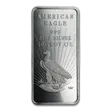
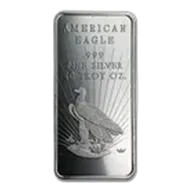
The 10 oz World Wide Mint Silver Bar contains ten troy ounces (311.035 grams) of .999 fine silver from World Wide Mint, a private mint. It sits in the weight class widely considered the most popular silver bar size, balancing low premiums with practical divisibility. The case for buying it is straightforward: silver bars carry the lowest premiums of any silver form, and the single biggest premium drop on the size ladder happens between 1 oz and 10 oz, typically a 4 to 5 percentage point reduction. A buyer accumulating silver weight per dollar gets most of the available premium saving at this size without committing to the bulk of a 100 oz bar.
The trade-off with a private-mint bar like this one is brand recognition. Bars from recognised refiners command tighter buy-sell spreads on resale, while generic or lesser-known brands remain liquid but may face slightly wider spreads, and in some cases sell at melt value with no brand premium recovery. That matters less for a buyer focused purely on ounces and more for one who expects to sell back through a dealer. Pricing is the counterweight: where a branded bar carries a premium for the name, a private-mint bar competes on cost per ounce alone.
Dealer budget guidance puts 10 oz silver bars as the core recommendation for anyone buying $300 to $500 or more at a time. The format is also space-efficient: many stackers find that ten 1 oz bars take up more total room than a single 10 oz bar because of packaging and air gaps. The main limitation is divisibility. Selling a 10 oz bar is an all-or-nothing transaction, so buyers who want the option of partial liquidation sometimes mix in smaller units alongside.
World Wide Mint 10 oz Bar Specifications
| Specification | Detail |
|---|---|
| Weight | 10 troy oz (311.035 g) |
| Purity | .999 fine silver |
| Metal | Silver |
| Form | Bar |
| Manufacturer | World Wide Mint (private mint) |
| Face value | None (not legal tender) |
The bar carries the standard purity for silver bars: .999 fine, equivalent to 99.9% silver content. Some mints, notably the Royal Canadian Mint, produce .9999 bars, but .999 is the industry norm and the figure on which spot-value calculations for this bar are based. A typical 10 oz silver bar measures approximately 84mm x 49mm x 8mm, compact relative to its value.
Silver bars are made by one of two methods: cast bars are poured into moulds and have a more rustic appearance with lower premiums, while minted bars are cut, stamped, and polished, often sealed in packaging, at slightly higher premiums. Cast production is more common at 10 oz and above. Whichever finish a given World Wide Mint bar has, packaging is worth preserving: sealed bars in original packaging resell better than loose bars. Basic authentication for a bar of this size relies on precise weight measurement, dimension checks, the magnet slide test (silver is diamagnetic), and specific gravity testing. Counterfeit silver bars exist, particularly in 10 oz and 100 oz sizes, with copper, lead, or zinc cores plated in silver; these are detectable by weight and dimension mismatch and the magnet test.
Tax Treatment of the World Wide Mint 10 oz Silver Bar
Silver bars are taxed very differently depending on where you buy. The dividing line in most jurisdictions is between gold, which is often exempt, and non-gold metals, which are often taxed.
- United States: no federal sales tax; most states exempt bullion bars, while others tax them or apply threshold-based exemptions. Capital gains on bullion are taxed at the collectibles rate of up to 28% for holdings over one year. On IRA eligibility, IRS Section 408(m) requires silver of at least 99.9% purity, a threshold this bar's .999 fineness meets exactly. Dealer guidance adds that IRA-eligible silver bars must come from accredited refiners, so confirm with an IRA custodian whether World Wide Mint bars are accepted before buying for a retirement account; IRA metals must be held by an approved custodian, not personally.
- United Kingdom: 20% VAT on new silver bars, and no CGT exemption since bars have no legal tender status. That double exposure makes bars the least tax-efficient silver form for UK investors.
- Canada: GST/HST exempt at 99.9%+ purity, which this bar meets.
- Australia and New Zealand: GST-free for investment-grade silver at 99.9%+ purity.
- Singapore: GST exemption under the Investment Precious Metals scheme requires silver of 99.9%+ purity; for bars, dealer guidance points to LBMA-accredited refiners. No capital gains tax.
- Hong Kong: no sales tax, no import duty, no capital gains tax.
- EU: standard VAT at national rates (17-27% depending on country) on new bars; margin schemes in some countries apply to second-hand bars only.
World Wide Mint vs Branded 10 oz Silver Bars
At 10 oz, the alternatives to a World Wide Mint bar are the branded bars from recognised refiners: the 10 oz Royal Canadian Mint silver bar, the 10 oz PAMP Suisse silver bar, and US private-mint products like the 10 oz Sunshine Minting silver bar. The metal content is identical in each case; the differences are purity margin, resale behaviour, and security features.
The Royal Canadian Mint bar is a government-mint product at .9999 purity with serialisation, against the .999 standard of this bar. PAMP Suisse is LBMA accredited and seals bars in assay cards. Sunshine Minting bars carry the MintMark SI security feature, which adds a verification layer for their branded bars. LBMA-accredited refiner bars with serial numbers and assay certificates provide the strongest chain-of-custody assurance, and bars from recognised mints command tighter spreads on resale. A World Wide Mint bar offers none of those layers, so verification falls back on the universal tests: weight, dimensions, magnet slide, and specific gravity.
Where the generic bar wins is price. Generic bars compete on cost per ounce, and within the 10 oz size class the premium structure already favours the buyer: 10 oz bars run 4-8% over spot under normal conditions against 8-15% for 1 oz bars. The resale question is the deciding factor. Bars from lesser-known refiners typically sell at melt value only, with no brand premium recovery, while branded bars recover more of their premium. A buyer who intends to hold and eventually sell at melt anyway loses little by choosing the cheaper generic; a buyer who values the tightest possible exit spread pays up for an RCM or PAMP name.
10 oz World Wide Mint Silver Bar: frequently asked questions
-
The cheapest 10 oz World Wide Mint silver bar tracked across dealers is $784.10, sitting around 20.0% over the $65.33 silver spot price. That spot price reflects 311 grams of 999 fine silver, so the bar's metal value moves in step with the silver market.
-
1 dealer on BullionFerret currently lists the 10 oz World Wide Mint silver bar. Comparing across dealers is worthwhile because premiums on this size can vary meaningfully from one retailer to the next.
-
Keep silver bars in airtight capsules or sealed plastic flips to limit exposure to air and moisture, which cause tarnishing. Store in a cool, dry location away from humidity. Avoid PVC holders, which off-gas chemicals that can stain silver over time. Tarnish does not reduce fine silver content but can affect resale appearance.