 APMEX
APMEX


Prices are fetched automatically and may not reflect current merchant prices. Currency conversions and tax treatment are approximate. Rankings are based solely on price. We are not a dealer and accept no responsibility for transactions with listed merchants. Past performance is not indicative of future results. This site does not provide investment advice. Full disclaimer
About the 1 oz Parrot Duit Silver Coin
A Colonial Copper Coin Reborn in Precious Metal
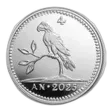
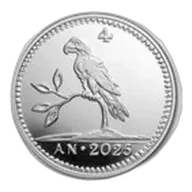
The 1 oz Restrike Parrot Duit is an official 2025 release from the Royal Dutch Mint, transforming the historic Papegaaiduit (Parrot Duit) from a humble colonial copper coin into a .9999 fine silver collectible. The original Parrot Duit was first struck in Suriname in 1679 under Dutch Governor Johannes Heinsius, denominated in pounds of sugar (the colony's primary commodity), and this restrike commemorates the 50th anniversary of Suriname's independence from the Netherlands (November 25, 1975).
The restrike is dramatically larger than the original (38.7 mm vs approximately 20 mm) and struck in precious metals rather than copper, preserving the parrot-in-tree imagery with modern high-relief detail. The silver 1 oz version has a mintage of just 5,000 pieces, with a 2 oz gold variant limited to an astonishing 15 pieces (priced at EUR 8,999.95 at issue). These are firmly collector-grade numbers that position the Parrot Duit between numismatics and precious metals investment.
The coin joins the Royal Dutch Mint's broader restrike programme alongside the 1 oz Restrike Lion Dollar, the Ducaton (Silver Rider), and the Scheepjesschelling. Where the Lion Dollar series focuses on Dutch Republic provincial heraldry, the Parrot Duit connects to the Netherlands' colonial history in South America, specifically the 300-year Dutch presence in Suriname (1667–1975). The irony of restriking one of the humblest colonial denominations (a duit was the smallest coin in the Dutch system) in .9999 fine silver is not lost on numismatic commentators.
Parrot Duit Restrike: Specifications and Mintage
| Attribute | Silver 1 oz | Gold 2 oz |
|---|---|---|
| Weight | 1 troy oz (31.1 g) | 2 troy oz (62.2 g) |
| Purity | .9999 fine silver | .9999 fine gold |
| Diameter | 38.7 mm | 38.7 mm |
| Edge | Serrated | Serrated |
| Mintage | 5,000 | 15 |
| Issue price | EUR 169.00 | EUR 8,999.95 |
| Mint | Royal Dutch Mint (Utrecht) | Royal Dutch Mint (Utrecht) |
| Year | 2025 | 2025 |
Each coin comes with a numbered Certificate of Authenticity and luxury presentation packaging. The design adopts the two-sided format of the original 4-duit denomination: the parrot perched in a tree on one side, with modern Royal Dutch Mint marks and master marks incorporated. The serrated edge is a deliberate design choice echoing period minting practices. Additional variants (1 oz gold, 2 oz silver) have been referenced as part of the programme but specific mintage details are less widely documented.
Restrike Medal Tax Classification
The Restrike Parrot Duit's legal tender status is not clearly confirmed in available sources. Modern Dutch circulation currency is the euro, and historical denomination restrikes may not carry legal tender status under Dutch law. The Royal Dutch Mint produces the coin as an "official restrike" rather than explicitly as currency. This classification has significant tax implications.
In the Netherlands and EU, gold coins meeting EU bullion criteria are VAT-exempt. For the gold version at .9999 purity, qualification likely depends on whether it is treated as a gold bar/wafer (exempt at 99.5%+) or requires legal tender status to qualify under the coin provisions of the directive. The silver version is subject to standard Dutch VAT at 21%. Other EU member states apply their local VAT rates to silver (17–27% depending on country).
In the United Kingdom, gold bullion from recognised sovereign mints is generally VAT-free for investment purposes. The Royal Dutch Mint's sovereign status supports exemption for the gold version. Silver carries 20% VAT. The coin is not CGT-exempt in the UK. For US buyers, the medal/restrike classification may affect IRA eligibility since Section 408(m) specifies coins must be legal tender. State sales tax rules for precious metals apply (approximately 35 states exempt). Canadian GST/HST exemption applies to precious metals at 99.9%+ purity in qualifying form; whether a restrike qualifies as a "coin" under the statute may depend on interpretation.
From Surinamese Sugar Currency to Silver Restrike
The original Papegaaiduit has a colourful history rooted in colonial economics. Governor Johannes Heinsius authorised the coins in Suriname in 1679, creating a local medium of exchange denominated in pounds of sugar, the colony's principal export commodity. One pound of sugar equalled one stuiver (five cents Dutch). The coins came in three denominations (1, 2, and 4 duits), differentiated by the number of leaves on the tree where the parrot perches.
The parrot design itself may have been inspired by Governor Heinsius's personal fondness for keeping parrots, according to some historians. Dozens of parrot species are native to Suriname, making the imagery locally resonant. The coins were technically illegal when first struck; an edict of 1688 retroactively authorised them, regularising what had been an informal local currency for nearly a decade.
The word "duit" entered English as "doit," meaning a small worthless coin. Shakespeare used it: "I would not give a doit of this affair." The transformation of this smallest Dutch denomination into a .9999 fine silver commemorative at EUR 169 (and a gold version at nearly EUR 9,000) represents a remarkable inversion of the coin's original humble status.
Suriname's history as a Dutch colony ran from 1667 to 1975, making it one of the longest-running European colonial possessions in the Americas. The 2025 release marks exactly 50 years since independence. The Surinamese diaspora in the Netherlands (approximately 350,000 people of Surinamese descent) represents a natural audience for this commemorative beyond the usual bullion collector market. The broader Royal Dutch Mint restrike programme has been running since at least 2021, with the Ducaton (Silver Rider) featuring hand-painted Royal Delft ceramic holders, and the Scheepjesschelling (a colonial trade coin originally from 1724) also receiving precious metal treatment.
1 oz Parrot Duit Silver Coin: frequently asked questions
-
The lowest price for the 1oz Restrike Parrot Duit across 1 dealer we track is $73.41, currently 11.6% over the silver spot price of $65.79, from APMEX. The silver 1oz version carries a mintage of 5,000 pieces, positioning it as a collector item with premiums above generic bullion.
-
The 1oz Restrike Parrot Duit contains 1 oz of 999 fine silver, weighing 31.1035 grams. It is struck by the Royal Dutch Mint (Koninklijke Nederlandse Munt) in Utrecht and measures 38.7 mm in diameter with a serrated edge. Each coin is supplied with a numbered Certificate of Authenticity.
-
The original Parrot Duit (Papegaaiduit) was a copper colonial coin struck in Suriname from 1679, featuring a parrot in a tree and denominated in pounds of sugar. The Royal Dutch Mint released the 2025 restrike to mark the 50th anniversary of Suriname's independence from the Netherlands. The restrike is larger than the original and struck in silver rather than copper, but preserves the parrot-in-tree design with finer detail made possible by modern minting. It is part of the mint's ongoing programme of restriking historic Dutch trade coins in precious metals.