0 products · 0 deals
General
Filters
General
No products match your filters.
Updating...
Prices are fetched automatically and may not reflect current merchant prices. Currency conversions and tax treatment are approximate. Rankings are based solely on price. We are not a dealer and accept no responsibility for transactions with listed merchants. Past performance is not indicative of future results. This site does not provide investment advice. Full disclaimer
King Tut Silver: frequently asked questions
-
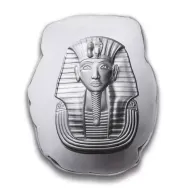
The King Tut series is a range of 5 troy oz silver bars (.9999 fine) produced by Argentia, a Canadian company. The reverse depicts Tutankhamun's death mask in ultra-high relief, commemorating the centennial of Howard Carter's 1922 discovery of the pharaoh's tomb. The bars are available in Ultra High Relief, Antiqued, and Matte finishes, and are not legal tender.
-
The silver spot price right now is $67.63. Silver is priced per troy ounce on global commodities markets and changes continuously during trading hours. Argentia King Tut bars contain 5 troy oz of .9999 fine silver, so their melt value is roughly five times the spot price, with a premium added for the artisan design.
-
We currently track 1 dealer listing 2 King Tut silver products. Because Argentia King Tut items are bars rather than rounds, availability varies by region, with the strongest presence in US and Canadian dealers.
-
Silver rounds and bars are not legal tender and carry no CGT exemption in most markets. In the UK, gains above the £3,000 annual allowance are taxed at 18% or 24% depending on your income band. In the US, silver is classed as a collectible and long-term gains are taxed at up to 28%. In Canada, 50% of any gain is included in taxable income.
-
Rounds and bars both offer pure silver exposure, but typically at different premiums. Rounds (privately minted with no face value) tend to carry similar or slightly lower premiums than government coins, while bars generally offer tighter premiums over spot, especially in larger sizes. Rounds can be easier to sell to collectors but may be less liquid with mainstream dealers. Storage costs are similar per ounce for both forms.