0 products · 0 deals
Filters
No products match your filters.
Prices are fetched automatically and may not reflect current merchant prices. Currency conversions and tax treatment are approximate. Rankings are based solely on price. We are not a dealer and accept no responsibility for transactions with listed merchants. Past performance is not indicative of future results. This site does not provide investment advice. Full disclaimer
About the Argor-Heraeus Classic Silver
Argor-Heraeus Classic Silver Bars
The silver arm of the Argor-Heraeus Classic range is built around cast bars at kilogram scale. The products listed on this site centre on the 1 kilo Classic silver bar and the 5 kilo Classic silver bar, with 250 g and 500 g cast sizes also in the catalogue. That weighting towards large cast formats fits how silver is bought: with the metal priced far below gold per gram, the economics push buyers towards bulk pieces where fabrication cost is spread across more metal.
The Classic name marks the refinery's standard investment line, distinct from its Kinebar holographic-security bars and its Lunar Calendar, Origin Traced, and Small Craft specialty products. Design is deliberately minimal: no allegorical figures or decorative motifs, just the AH emblem, the specifications, and the authentication marks. Every Classic bar carries an individual serial number and is certified by an Argor-Heraeus sworn assayer; minted bars ship in a numbered tamper-evident assay card, while cast bars come with a numbered assay certificate.
Refiner standing is the practical argument for the brand. Argor-Heraeus has held LBMA Good Delivery accreditation for silver since 1992 (and for gold since 1961), is one of the LBMA's Good Delivery Referees, and produces the 1,000 oz Good Delivery bars traded in the professional market. For a buyer of kilo and 5 kilo silver bars, that translates into straightforward dealer acceptance at resale: the cast bar formats on this page are smaller versions of the output the institutional silver market already accepts without re-assay.
Classic Silver Bar Sizes and Fineness
Classic silver bars are stamped 999.0 fine, the official Argor-Heraeus catalogue notation and a longstanding house convention; some product listings describe the metal content as 999.9 fine silver. The bars carry no face value and are not legal tender.
| Weight | Troy oz equivalent | Format |
|---|---|---|
| 250 g | 8.04 oz | Cast |
| 500 g | 16.08 oz | Cast |
| 1 kg (1000 g) | 32.15 oz | Cast |
| 5 kg (5000 g) | 160.75 oz | Cast |
| 100 oz | 100 oz | Listed on this site |
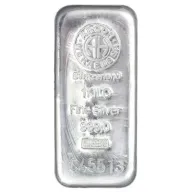
The wider catalogue also includes a 1 oz minted bar, minted sizes from 5 g to 100 g plus 10 oz, and cast production up to 15 kg and the 1,000 oz Good Delivery format. The obverse of each bar carries the Argor-Heraeus logo, a stylised AH monogram within a double circle ringed by "Argor-Heraeus SA" with "Switzerland" below, followed by weight, metal, and purity in vertical arrangement, plus the serial number and sworn assayer mark. Where the minted gold Classic has a fully blank reverse, some silver Classic bars carry a simplified repeating logo pattern on the reverse. A year-of-manufacture stamp has appeared on all Argor-Heraeus bars since 1988.
Tax Treatment of Classic Silver Bars
Silver carries none of the purchase-tax shelter that investment gold enjoys in Europe, and the kilogram-scale formats on this page magnify the difference in cash terms.
- United Kingdom: 20% VAT on new silver bullion. Bars are never CGT-exempt (that relief covers only UK legal tender coins), so gains above the £3,000 annual allowance are taxable.
- European Union: full local VAT on silver, ranging from 17% to 27% by member state. Margin scheme routes (Germany's Differenzbesteuerung, the Dutch margin scheme) apply to pre-owned silver coins rather than new bars.
- Switzerland: 8.1% VAT on silver, the lowest rate in Europe and the bar's home jurisdiction.
- United States: no federal sales tax; most states exempt bullion, several use price thresholds. For IRAs, silver requires 0.999 minimum fineness; the 999.0 stamp on Classic silver bars sits exactly at that line and may create custodian confusion, so verify eligibility with the specific custodian before buying for a retirement account. Gains are taxed at the 28% collectibles rate.
- Canada: 0% GST/HST for silver refined to 99.9%+ purity in bar form.
- Australia and New Zealand: GST-free where silver meets the 99.9% investment-grade threshold.
- Singapore and Hong Kong: Singapore exempts qualifying silver under its Investment Precious Metals scheme; Hong Kong has no sales tax or import duty. Neither taxes capital gains.
One structural note: Argor-Heraeus's LBMA Good Delivery status for silver means its bars feed directly into LBMA-affiliated vault networks without re-assay, which matters for buyers using bonded or vaulted storage to defer VAT.
Silver at the Refinery Named for It
Silver is in the company's name: "Argor" is a contraction of argento and oro, Italian for silver and gold. Argor SA was founded in 1951 in Chiasso as the first precious metals foundry in Ticino, serving the Italian jewellery trade across the border, and the Classic line represents its foundational bar output, the core cast and minted ingots that preceded every later specialty product. The Kinebar arrived in 1994; the Classic name now distinguishes the original plain bars from those decorated and security-enhanced lines in catalogues and secondary-market listings.
The silver side of the business has its own milestones within the corporate story. The purpose-built Mendrisio headquarters that opened in 1988 introduced a dedicated silver processing line alongside its induction furnaces, and LBMA Good Delivery accreditation for silver followed in 1992, three decades after the company's gold listing with the London Gold Market in 1961. The London Gold Market later merged with the London Silver Market to become the LBMA, where Argor-Heraeus holds full membership and has served as a Good Delivery Referee since the panel was constituted in 2003, auditing other refiners' applications.
Ownership passed from founders Emilio Weiss and Elvio Zoppi to Union Bank of Switzerland, then through the 1986 joint venture with Heraeus of Hanau that produced the current name, and a four-way structure with Commerzbank and the Austrian Mint, before Heraeus completed full acquisition in 2017. Today the Mendrisio refinery processes all four investment metals, and the Classic silver bars share the family's authentication regime: individual serial numbers, sworn assayer certification, and the year stamp applied to all bars since 1988.
Classic Silver vs the Gold Line and Coin Alternatives
Against the refinery's own gold Classic bars, the silver line inverts the format mix. Gold Classics run from 1 g minted bars upward because gold's price makes small weights meaningful; silver Classics concentrate on cast kilo and multi-kilo pieces because silver's lower price per gram rewards bulk. The bigger ownership difference is tax: gold Classics buy VAT-free across the UK and EU as investment gold, while these silver bars carry 20% UK VAT and full local VAT across EU states, a charge that resale prices do not recover.
Against silver coins, the bars trade legal tender status and design for cost structure. Sovereign-mint silver coins carry face values and, for UK legal tender issues, CGT exemption; the Classic bar offers neither, but its plain cast format keeps fabrication cost low, and the research behind the line is explicit that the minimal design exists to keep premiums competitive and authentication marks legible. For a buyer accumulating ounces rather than collecting, that is the entire pitch.
Within the cast silver bar market, the Classic competes on accreditation depth rather than looks. Specifications at kilo scale are close to interchangeable between major refiners, so the differentiators are the maker's standing and the paperwork: LBMA Good Delivery for silver since 1992, full LBMA membership, COMEX accreditation since the early 1970s, TOCOM since 1982, DMCC since 2005, and the Good Delivery Referee seat. Each bar's individual serial number and sworn assayer certificate give it a verifiable identity that generic poured bars lack, while the day's dealer pricing usually settles the rest of the decision.
Argor-Heraeus Classic Silver: frequently asked questions
-
Prices track closely with the live $67.63 spot price, plus a small fabrication premium that varies by weight and format. We track 1 Classic listing from 1 dealer, spanning gold, silver, and platinum in weights from 1g to 1 kg and beyond. Comparing dealers on this page will show the current best available price.
-
Classic is the core investment bar range from Argor-Heraeus, a Swiss refinery founded in 1951 and based in Mendrisio, Ticino. The line covers gold, silver, and platinum in both cast and minted formats, with a deliberately plain finish: no decorative motifs, just the refiner's hallmark, weight, purity, and a serial number certified by an Argor-Heraeus sworn assayer. It predates the Kinebar and all later specialty lines.
-
Gold Classic bars are 999.9 fine (24 carat). Silver Classic bars are stamped 999.0, Argor-Heraeus's longstanding house notation. Platinum Classic bars are 999.5 fine. All three purities meet or exceed the relevant LBMA Good Delivery standards, and the gold and silver bars carry full LBMA Good Delivery accreditation.
-
Generally yes. Cast bars in the Classic range carry the lowest premiums, as their plain finish minimises production cost. Minted Classic bars sit just above cast in premium. Argor-Heraeus does not produce Classic coins in the traditional sense (these are bars and ingots), so the comparison within the series is cast versus minted formats rather than bars versus coins.